 +86 29-87031531


Basic Info.
Model NO.
| ALT-V3001
|
After-sales Service
| on Line or Engineers at Site
|
Warranty
| 1 Year
|
Customization
| Available |
Condition
| New |
Customized
| Customized
|
Voltage
| 380V/Customized
|
Composition
| Filtration Equipment
|
Processing Material
| Natural Ingredients |
Process
| Ferment
|
Machinery Test
| Provided Report
|
Key Selling Points
| Easy to Operate
|
Processing
| Fermenting Equipment
|
Core Components
| Pump,PLC
|
Processing Types | Alcohol |
Place of Origin | China |
Video Outgoing-
| Provided Inspection
|
Transport Package
| Plywood Case |
Trademark | Aelt |
Attributes
1.Short vinegar fermentation time: 8-24 hours from alcohol to acetic acide.
2.High conversion about ethonal-turn-acetic acid.
3.Whole process is controlled by PLC or DCS control system automatically.
System : Electronic monitoring automatic feeding system, fungus-bed-curing system, automatic breeding
and bacteria culture gas equably distribution system, cold-hot water circulation system, acid gas and alcohol recovery system.
Product Description
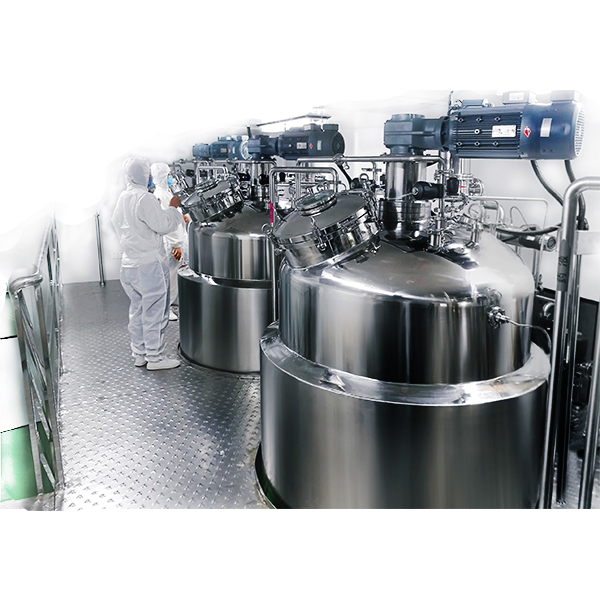
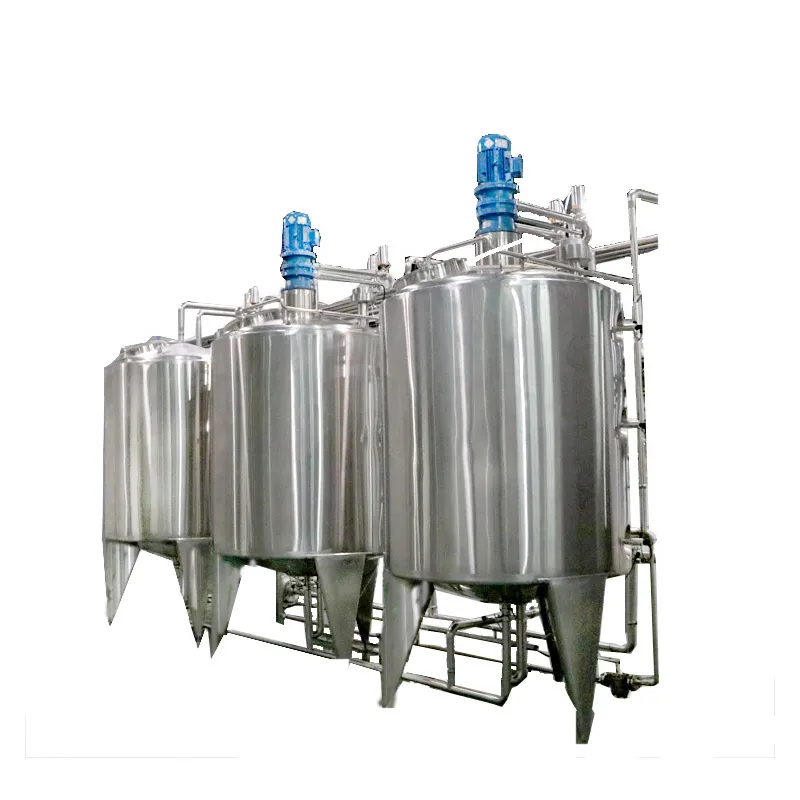
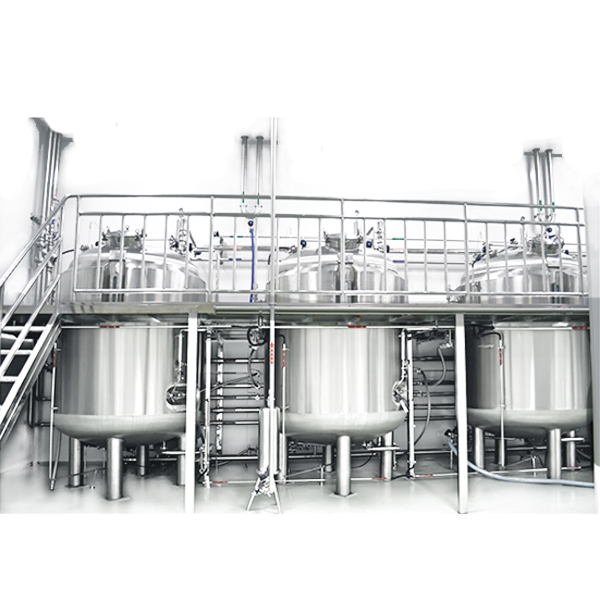
1.Tanks system : rotating axis and horizontal tanks , SUS316 material is used, and it is processed by polishing inside and outside. Designed pressure is 0.25Mpa, operating pressure is 0.01-0.07Mpa, heat is transmit- ted by inner bushing with big vaccination, out-off-band jacket, special security ventilation, exhaust and sample port.
2.Mixing system : mechanical agitation, double propellers blades; speed control: timed positive --negative operation , 0-99 minutes adjustable.
3.Temperature control : Cooling water +5°C. Pt--100 temperature and electrode, fuzzy PID intelligent controller.
4.Ventilation flow : 0--1VVM (rotermeter.) 0.2μm asepsis air filter, tank pressure: 0-0.3Mpa, pressure gauge indication, manually operation adjustment.
5.Regnant vaccination and blending : Uniform vaccination by regnant tinder and flame. Stable and even fermentation happens with blending material in the tank and crushing system in the biochemical reaction process
6.Disinfection and smoked grains : Steam is accepted externally and manually controlled, mature vinegar grains is ventilated with steam directly in fermentation tank with special mixing system in order to reach regnant disinfection and smoked grains.
Production capacities
Standard Plant Sizes
FERMENTER TYPE | V300 | V600 | V1200 | V2400 | |
Volume | m³ | 18 | 36 | 72 | 144 |
Production capacity (10 % vinegar) | l/d | 4,000 | 8,000 | 15,000 | 30,000 |
Cooling water connection load 24 °C | m³/h | 20 | 40 | 80 | 160 |
Average required area | m² | 300 | 400 | 600 | 800 |
Minimum required building height | m | 7.6 | 7.7 | 9.5 | 10.5 |
Advantages of Intelligent Vinegar-Brewing Equipment
I. Multi-Parameter Control for Continuous & Safe Production Under Simulated Ecological Conditions
Intelligent control technology coupled with simulated ecological environments enables acetic acid bacteria to grow, reproduce and metabolize under optimal conditions consistently. It effectively avoids common abnormal phenomena of vinegar in hot summer, such as back-mixing, stickiness, filament formation and gas swelling. Meanwhile, it addresses yield reduction and unstable product quality caused by massive bacterial proliferation under high-temperature and high-humidity summer conditions.
II. Digitalized Management to Tackle Bottlenecks in the Industry
It eliminates contamination and raw material waste in multiple stages of traditional fermentation processes, including:
Product turbidity caused by incomplete protein denaturation;
Output decline resulting from insufficient liquefaction and saccharification;
Production loss due to non-sealed alcoholic fermentation;
Mold contamination from leakage at dead zones of fermentation tanks;
Dust pollution generated during handling of filling materials.
Digital monitoring display screen in managed workshops
III. Balanced Vinegar Leaching Technology to Fully Preserve the Color, Aroma and Taste of Vinegar Mash
Vinegar leaching refers to extracting acidity and nutrients from vinegar mash via a three-cycle leaching system. The balanced vinegar leaching technology is an innovative extraction method summarized by Professor Xu Zhaohui through practical trials. The leaching process also facilitates aroma evaluation. After the vinegar mash matures, the liquid-solid circulating leaching system is activated. Continuous primary vinegar is obtained following four hours of soaking. Quantitative liquid vinegar circulates back into the vinegar mash. Throughout the whole process, the vinegar mash remains fully submerged until the optimal aroma and color are achieved. The residual materials are adjusted with edible alcohol and reused for the next fermentation cycle. The whole leaching procedure is pollution-free with zero residual waste.
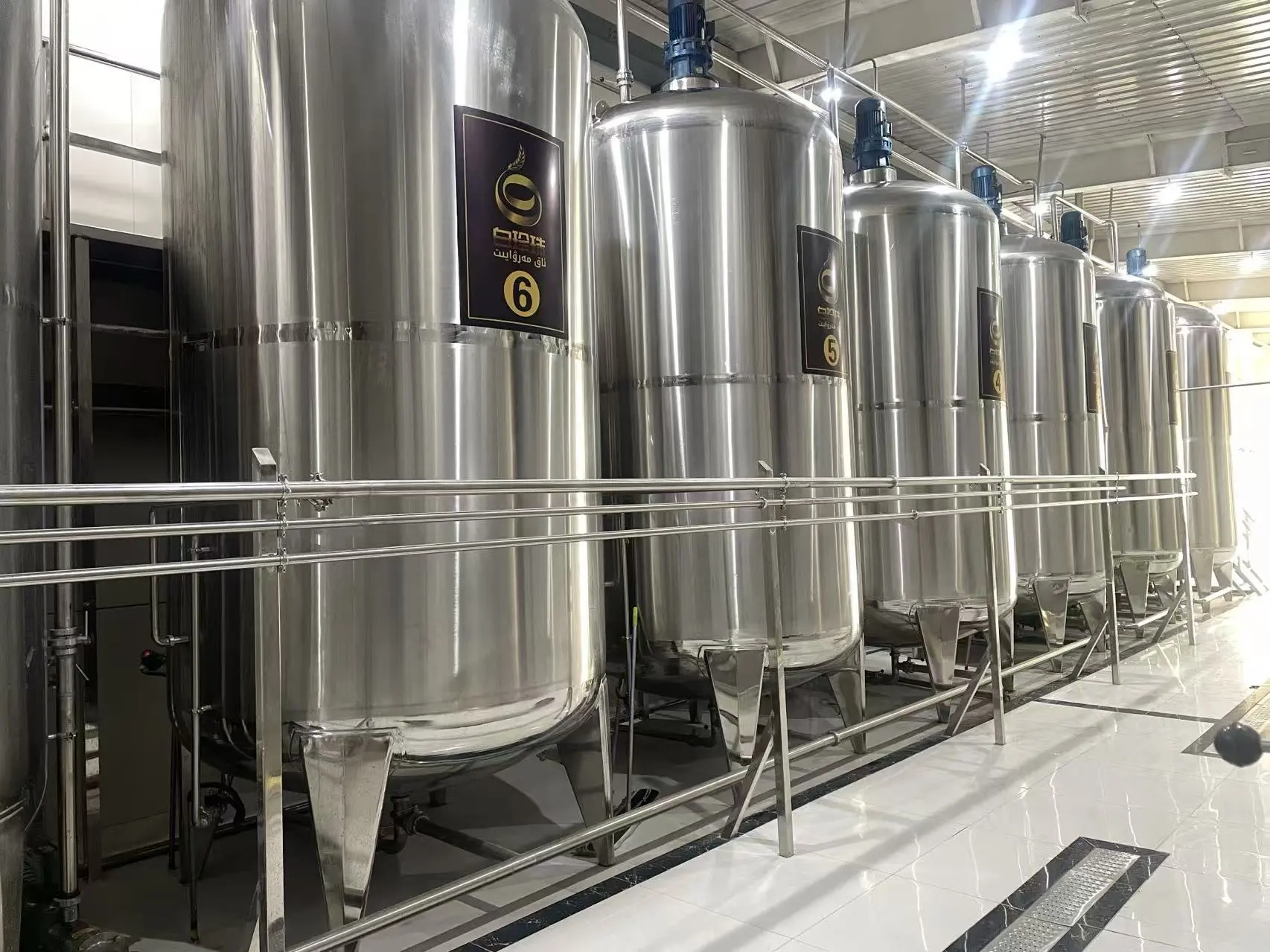
Intelligent solid-state vinegar production line
IV. Integrated Fermentation System Achieves Zero Pollution
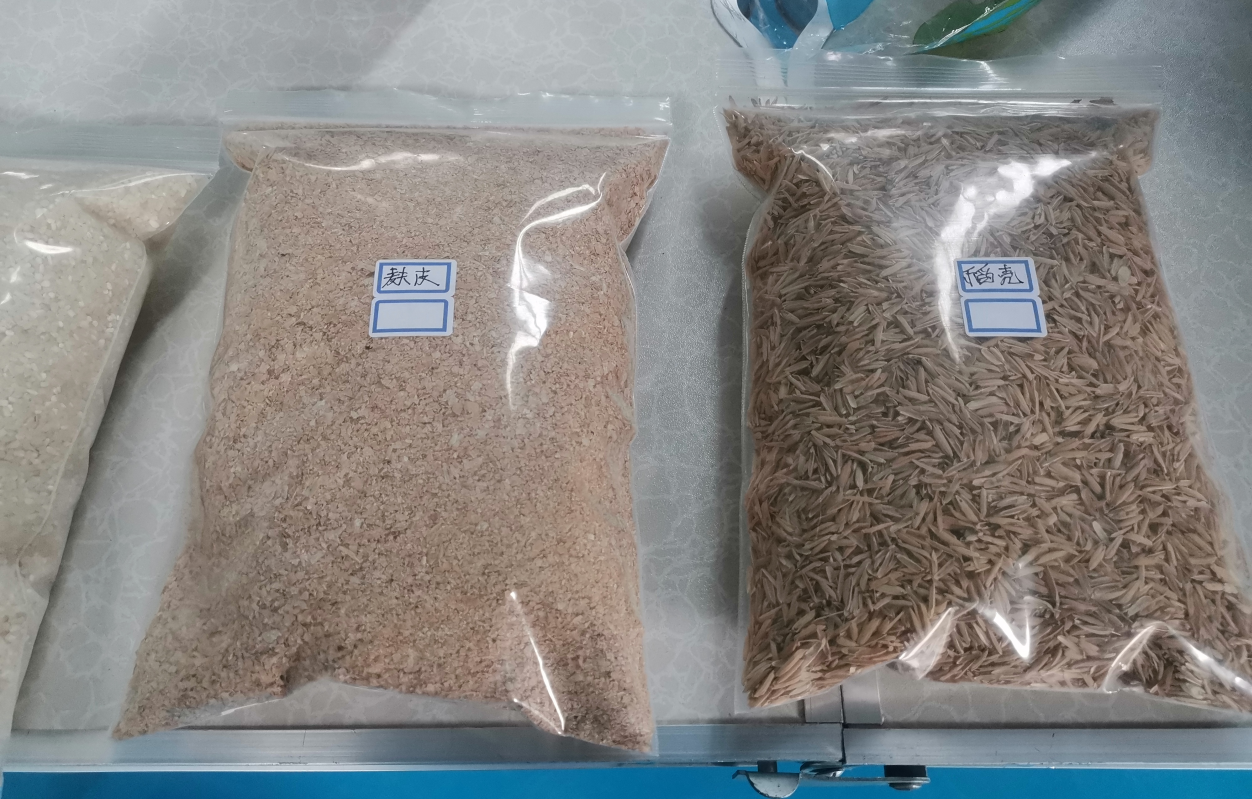
In actual production, materials are automatically processed inside the vinegar-brewing unit: feeding wheat bran mash and rice chaff, mixing and inoculation. After programs are set, the equipment can continuously produce aromatic vinegar, fumigated vinegar, bran vinegar and aged vinegar according to different raw material formulas. The whole workflow automatically and safely completes acetic fermentation, mash fumigation, vinegar leaching, residue discharge and acid gas recovery in one integrated unit. Auxiliary facilities including leaching tanks, underground pits, overhead travelling cranes, grabs and fumigation machines are no longer required.
V. Vertical Layout: Higher Charging Capacity with Reduced Footprint
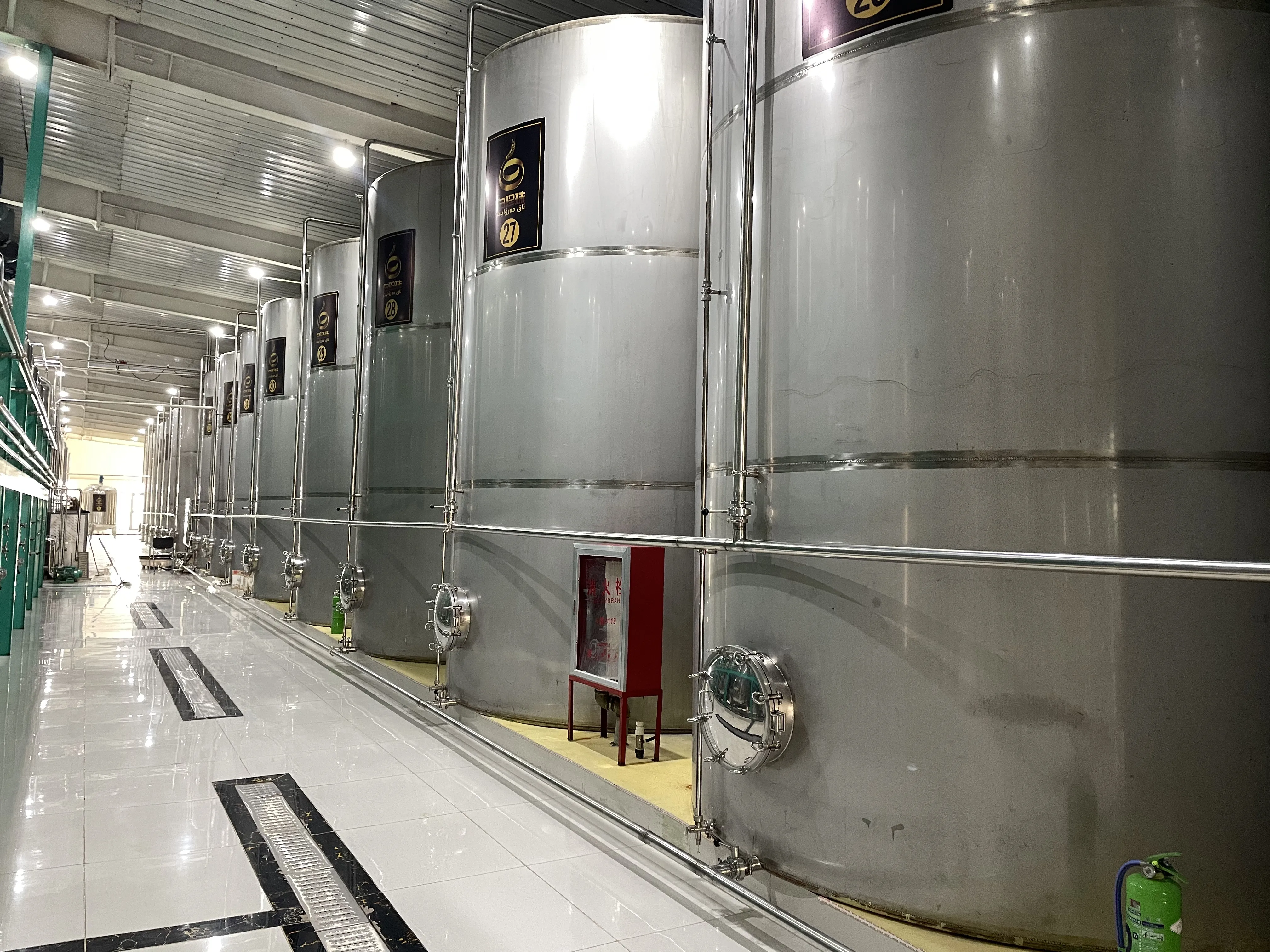
The intelligent vinegar-brewing equipment adopts a vertical fermentation layout. Compared with horizontal fermentation modes such as strip tanks, square tanks and large ceramic vats, it supports larger feeding volume while occupying less land area. For instance, a single set of vinegar-brewing equipment covers merely 4 square meters, yet its actual loading capacity for vinegar mash fermentation equals that of a 20-square-meter strip fermentation tank, cutting land occupation by over 75%. A solid-state vinegar production base with an annual capacity of 10,000 tons only requires a floor area of 1,000-2,000 square meters.
Packaging & Shipping
it is large scale equipment, alwasy transport by plastic film packing.
After sales service:
1. 12 months quality guaranty, the machine with main parts(excluding the consumables) shall be changed free of charge if there is any problem during the warranty period.
2. Lifetime maintenance.
3. Free training course at our plant.
4. We will provide the consumable parts at an agency price when you need replacement.
5. 24 hours on line service every day, free technical support.
6. Machine has been adjusted before delivery.
7. Our engineers can be sent to your company to guide for installation or adjustment.
Vinegar Manufacturing: Process, Equipment, Manufacturer Aelt
Vinegar manufacturing is essentially a two-part production process that generates a mild and flavorful acetic acid solution whose maturation gives you vinegar.
This process sees alcohol generated by fermenting sugars converted into acetic acid.
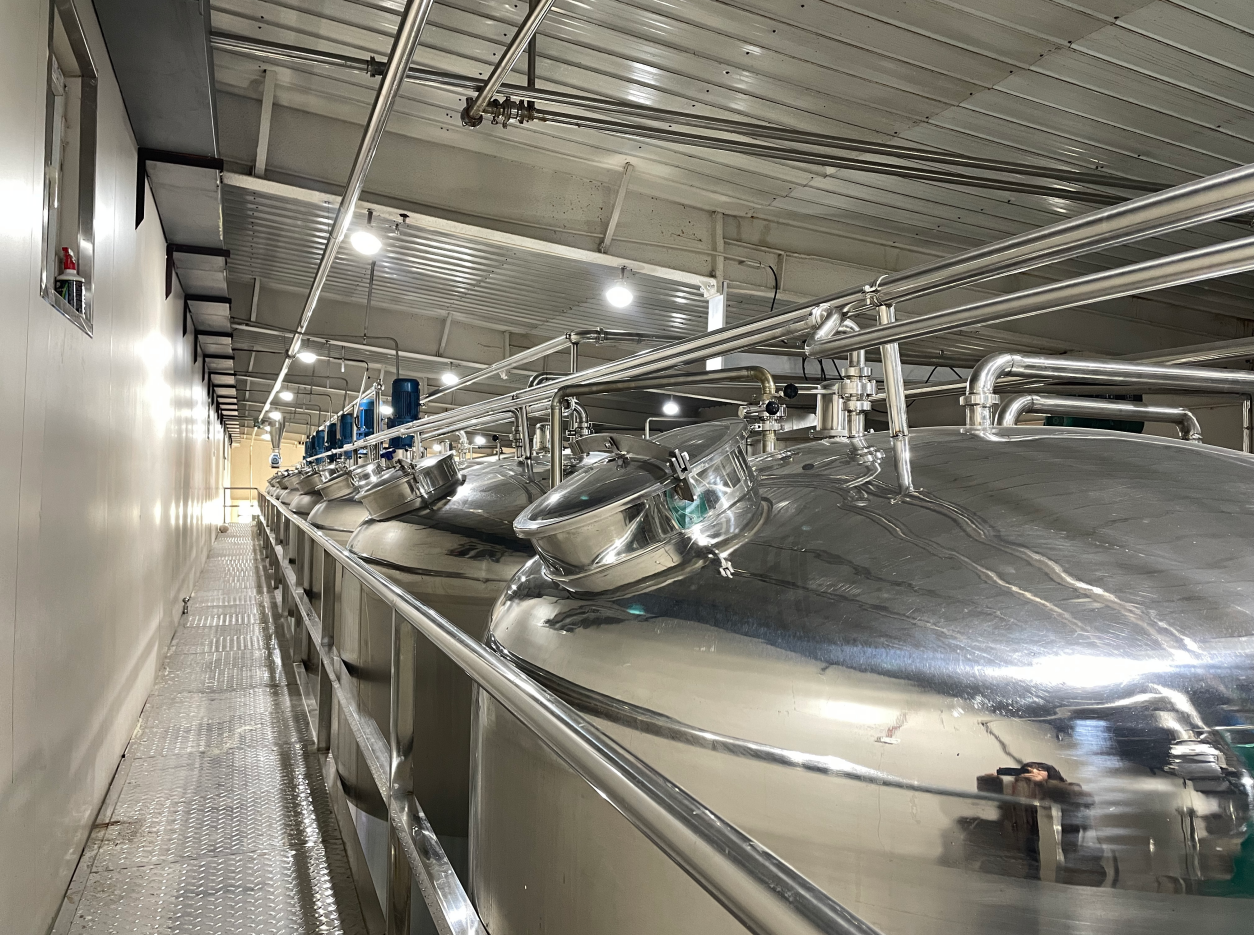
Table of Contents
· What Ingredients Do You Need to Produce Vinegar
o Yeast:
o Water:
· Vinegar Manufacturing Process
· Key Methods in Vinegar Production
o Bottling
· Vinegar Manufacturing Equipment

o Home-Use Vinegar Making Machine:
o Batch Process Vinegar Making Machine:
o Industrial Vinegar-Making Machine:
o Surface Fermentation Vinegar Maker:
o Submerged Fermentation Vinegar Maker
o Semi-Automatic Vinegar Maker
· Quality Control in Vinegar Production
· Leading Vinegar Manufacturers Today
o · Acetum
o · Mizkan
What Ingredients Do You Need to Produce Vinegar
In the world of salad dressing or even window cleaning, vinegar is undoubtedly a tangy powerhouse. But have you ever thought of its composition? It comprises of simple yet pivotal ingredients, which include:
Sugary Base
This is the primary ingredient and is often referred to as your vinegar’s fuel or cornerstone. You can source your sugary base from numerous compounds including pure sugar, barley, grapes, or even apples. The sugary base acts as a food source, which is a priority need for the microbes that initiate the fermentation process.
Yeast:
This is yet another pivotal ingredient tasked with generating alcohol through fermentation. It consumes your sugary base consequently generating ethanol and CO2. This ethanol is crucial as it facilitates the fermentation of acetic acid.
Acetic Acid Bacteria:
Without these microorganisms, the alcohol generated in the maiden stage would not be converted into acetic acid, which ultimately gives you vinegar. The acetic acid bacteria simply oxidize your alcohol to create acetic acid.
Clarifying Agents:
These are optional ingredients but they play a pivotal role. Clarifying agents such as bentonite clay make certain your vinegar has a clear look by extracting unwanted impurities.
Water:
Primarily, water ensures that your final vinegar product has the right balance of acetic acid concentration. It also acts as a liquid habitat, where your essential microorganisms thrive thus facilitating fermentation.
Flavorings:
This is another optional ingredient that gives your vinegar your desired taste. Commonly used flavorings include fruits, herbs, and spices.
This website uses cookies to ensure you get the best experience on our website.



 Phone
Phone