 +86 29-87031531


China Full Automatic Soy Sauce Production Line
1. Introduction to Soy Sauce Production Line
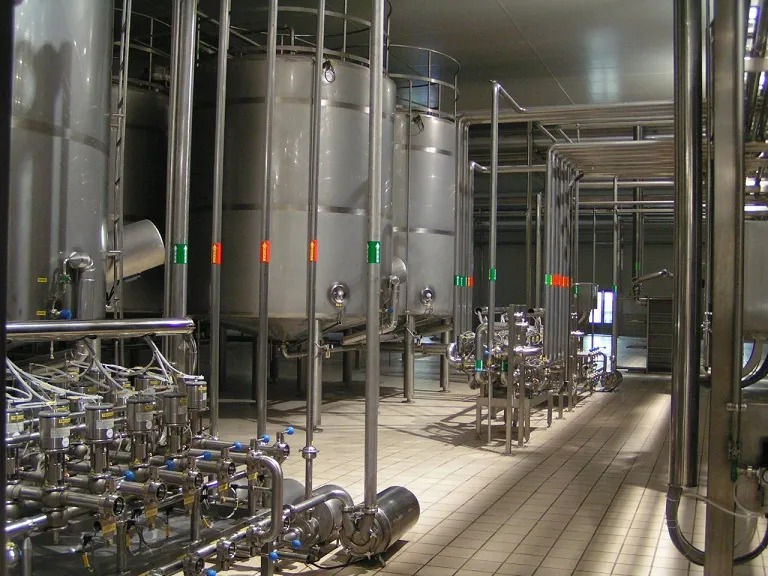
Soy sauce is one of the most widely used condiments in the world, particularly in Asian cuisine. Its production has evolved from traditional small-scale fermentation to fully automated industrial systems. A Soy Sauce Production Line enables manufacturers to produce high-quality soy sauce with consistent taste, color, and aroma while improving efficiency and reducing labor costs.
Modern production lines integrate automated soaking, cooking, fermentation, pressing, filtration, pasteurization, and bottling, creating a seamless workflow from raw materials to packaged soy sauce.
Our Aenlunte solely owned a set of certified unique brewing technology and advanced processing equipments , it not only remain the flavour of traditional brewed soy sauce, but also enhanced the flavor and can saving more than 35% energy, and at the same time shortened 1/3 of brewing time.
2. What is a Soy Sauce Production Line?
A Soy Sauce Production Line is an industrial system designed to automate the entire production process of soy sauce. This includes raw material handling, fermentation, filtration, pasteurization, and packaging. By automating these steps, manufacturers ensure consistent product quality, reduce contamination risk, and optimize production efficiency.
Definition Table:
Term | Description |
Soy Sauce Production Line | Industrial setup for producing soy sauce at scale |
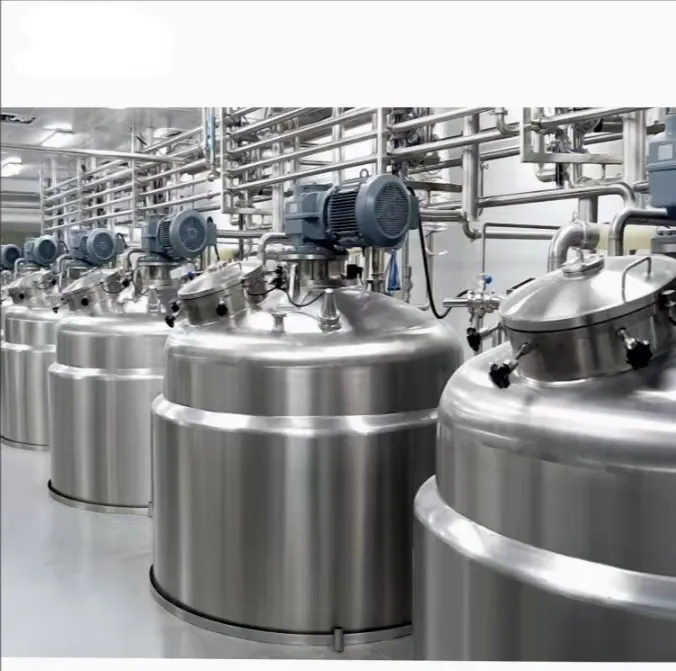
Fermentation Tank | Tank where soybeans and wheat ferment under controlled conditions |
Pasteurizer | Equipment for sterilizing soy sauce and stabilizing flavor |
Filtration System | Removes solids for clear, uniform soy sauce |
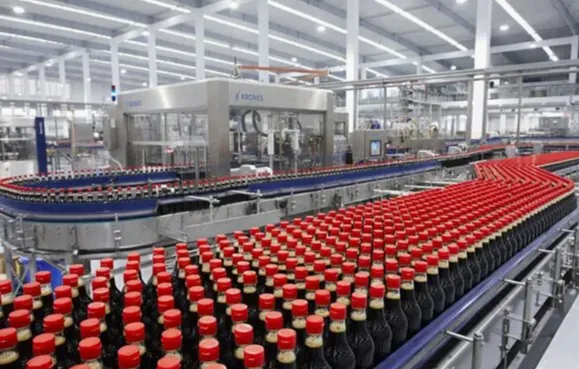
Bottling Line | Automated line for filling, capping, and labeling bottles |
3. Key Components and Equipment
A typical Soy Sauce Production Line consists of the following main equipment:
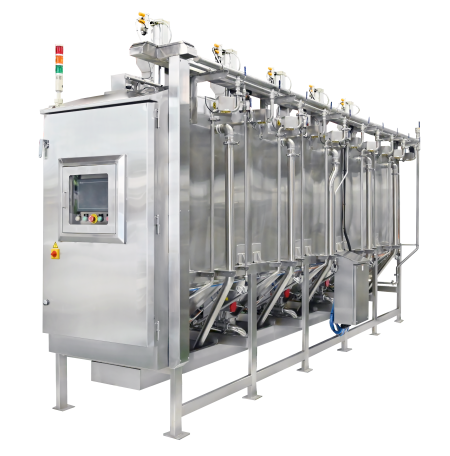
Soybean Soaking

Soybean Cooking

Koji Making
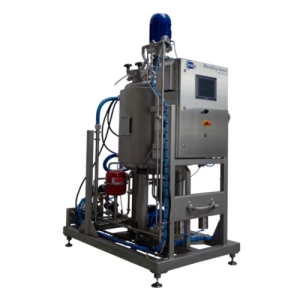
Blending
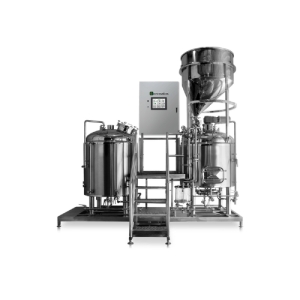
Brewing
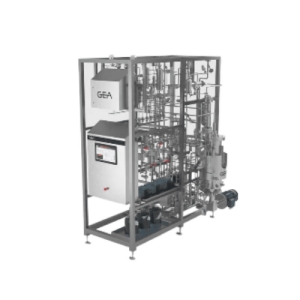
Fermentation
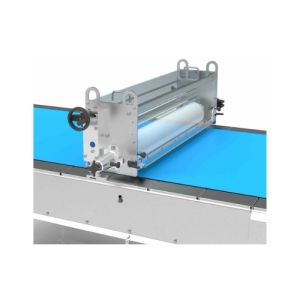
Pressing
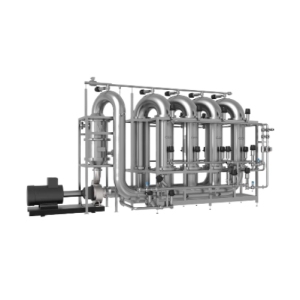
Filtration
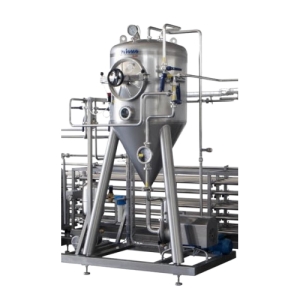
Pasteurization
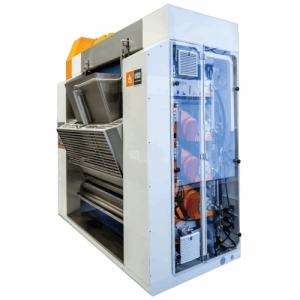
Refining
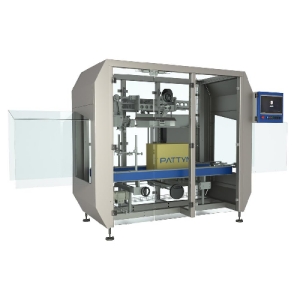
Bottling and Packaging
Equipment Specifications Table:
Equipment | Function | Key Features |
Soaking Tank | Softens soybeans | Stainless steel, temperature control |
Cooking Vessel | Boils soybeans | Steam heating, automated |
Fermentation Tank | Ferments mixture | Temperature & humidity sensors |
Pressing Unit | Extracts liquid | Hydraulic press, high efficiency |
Filtration System | Clarifies soy sauce | Multi-stage, stainless steel mesh |
Pasteurizer | Sterilizes soy sauce | Adjustable temperature, continuous flow |
Bottling Line | Packaging | Automatic filling, capping, labeling |
4. Soy Sauce Production Process
The industrial production process of soy sauce includes the following steps:
1. Raw Material Selection: High-quality soybeans, wheat, water, and salt.
2. Soaking: Soybeans are soaked for 8–12 hours.
3.Cooking: Boiled to soften and prepare for fermentation.
4. Koji Preparation: Mixing with Aspergillus oryzae starter for fermentation.
5.Primary Fermentation: Tanks maintain temperature and humidity for several months.
6. Pressing: Extract liquid soy sauce from solids.
7.Filtration & Pasteurization: Ensure clarity and microbial safety.
8. Aging (Optional): Enhance flavor and aroma.
9.Bottling & Packaging: Automated filling, capping, labeling, and packing.
Production Process Table:
Step | Description | Duration |
Soaking | Softens soybeans | 8–12 hours |
Cooking | Boiling soybeans | 2–3 hours |
Koji Preparation | Adding fermentation starter | 24 hours |
Fermentation | Controlled fermentation | 3–6 months |
Pressing | Extracts soy sauce | 1–2 hours |
Filtration & Pasteurization | Clarifies and stabilizes | 1–2 hours |
Bottling | Packaging finished product | Continuous |
5. Advantages of Automated Soy Sauce Production
· Consistency: Ensures uniform taste, color, and aroma.
· High Efficiency: Reduces labor and production time.
· Food Safety: Minimizes contamination through automation.
· Scalable: Adjustable production capacity for small or large factories.
· Energy Efficient: Modern lines reduce electricity and water usage.
· Customization: Ability to produce light, dark, or flavored soy sauce.
6. Production Capacity and Technical Specifications
Industrial soy sauce production lines vary by capacity, from small 100–500 L/day units to large 10,000+ L/day lines.
Capacity Table:
Model | Daily Output | Fermentation Tank Size | Bottling Line Speed |
Small Line | 500–1,000 L | 1,000 L | 500 bottles/hour |
Medium Line | 2,000–5,000 L | 5,000 L | 1,000 bottles/hour |
Large Line | 10,000–20,000 L | 10,000 L | 2,000 bottles/hour |
Technical Highlights:
· Material: Stainless steel (SUS304)
· Automation: PLC control, touchscreen interface
· Energy Consumption: Optimized heating and mixing
· Compliance: HACCP, ISO22000 standards
7. Quality Control and Food Safety
Ensuring high-quality soy sauce requires monitoring every stage:
· Raw Material Inspection: Check soybeans and wheat for moisture and purity.
· Fermentation Monitoring: pH, temperature, and microbial activity.
· Filtration Testing: Ensure clarity and absence of solids.
· Pasteurization: Verify temperature and time for sterilization.
· Packaging Inspection: Bottles checked for leaks and labeling accuracy.
QC Table:
Stage | Parameter | Standard |
Raw Material | Moisture content | ≤12% |
Fermentation | pH | 4.5–5.5 |
Filtration | Clarity | No visible solids |
Pasteurization | Temperature | 85–95°C |
Bottling | Seal integrity | 100% inspected |
8. Energy Efficiency and Sustainability
Modern production lines prioritize sustainability:
· Heat Recovery Systems: Reduce energy usage in cooking and pasteurization.
· Water Recycling: Minimize wastewater in washing and soaking processes.
· Automation: Reduces waste and resource consumption.
· Eco-friendly Materials: Stainless steel equipment lasts longer and is recyclable.
9. Common Applications
· Food Factories: Commercial soy sauce production for retail and wholesale.
· Restaurants & Hotels: Bulk production of specialty soy sauce.
· Export Markets: High-quality soy sauce for international markets.
· Sauce & Seasoning Manufacturers: Part of broader condiment production.
10. Maintenance and Operational Tips
· Regular cleaning of tanks and pipes to prevent microbial growth.
· Check pumps, valves, and sensors monthly.
· Replace worn-out filtration membranes and gaskets.
· Maintain proper fermentation temperature and humidity.
· Conduct periodic quality checks on batches.
11. Frequently Asked Questions (FAQ)
Q1: What is the typical fermentation time for soy sauce?
A1: Fermentation usually lasts 3–6 months depending on desired flavor.
Q2: Can the line produce both light and dark soy sauce?
A2: Yes, the system can adjust ingredients and fermentation to produce various types.
Q3: How automated is the line?
A3: Most modern lines are fully automated with PLC control and touchscreen interfaces.
Q4: What is the typical daily output?
A4: Ranges from 500 L/day for small lines to 20,000 L/day for large industrial lines.
Q5: Is the line energy efficient?
A5: Yes, modern lines use heat recovery, water recycling, and automated control for efficiency.
12. Conclusion
A Soy Sauce Production Line is an essential investment for industrial-scale soy sauce manufacturing. By integrating automation, fermentation control, filtration, pasteurization, and packaging, it ensures consistent quality, high efficiency, and compliance with food safety standards. These systems are scalable, energy-efficient, and adaptable for a wide range of commercial applications, supporting both local and international markets.
Production Process and Equipment of Modern Soy Sauce
Two mainstream production lines are adopted in modern factories:
1. High-salt Liquid-state Fermentation (for premium light soy sauce, fermented for 4–6 months with rich flavor)
2. Low-salt Solid-state Fermentation (for mass-market soy sauce, fermented for 20–30 days with low production cost)
The following takes the fully automated enclosed high-salt liquid-state fermentation process as the main line, divided into 7 major procedures with standard industrial equipment for each section.

1. Raw Material Pretreatment
Process Flow
1. Soybean impurity removal & washing → soaking (8–12 hours at 20–25°C, moisture content 45%–50%)
2. Wheat low-temperature roasting for aroma enhancement → crushing into 4–6 mesh fine powder
3. Mix soybeans and wheat at a ratio of 7:3 → high-pressure steaming → air-cool the clinker to around 30°C
1. Raw material storage: Sealed steel silos, bucket elevators, belt conveyors
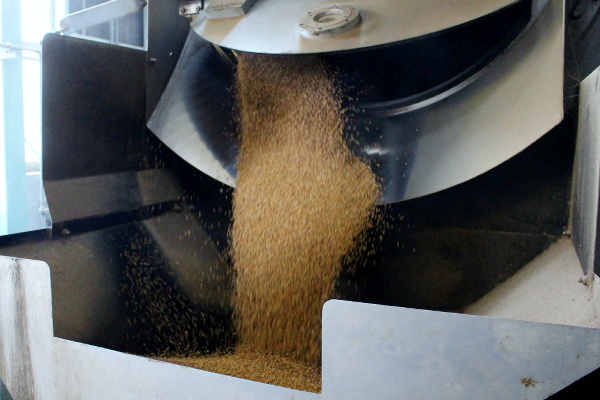
2. Cleaning Equipment: Vibrating screens, specific gravity destoners, soybean washing machines
3. Soaking system: Stainless steel sealed soaking tanks, hot water heat exchange tanks, automatic discharging screw conveyors
4. Wheat processing: Wheat roasting machines, disc mills, air cooling machines
5. Core steaming equipment
● Batch type: Rotary high-pressure cooking pots (0.1 MPa, 121°C, 30–40 min steaming)
● Continuous automatic type: Horizontal continuous steamers (standard for large-scale factories with continuous feeding and discharging)
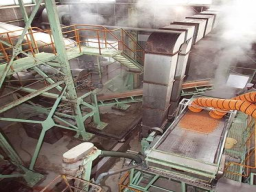
6. Cooling equipment: Thin-layer air-cooled spreading & cooling machines, uniform distributing screw conveyors
2. Koji Making (Core Stage for Soy Sauce Flavor; Aspergillus oryzae produces protease and amylase)
Process Flow
Cool clinker to 28–32°C → aseptic inoculation with seed koji (dosage: 0.05%–0.1%) → uniform mixing → constant temperature & humidity cultivation for 36–42 hours in koji-making equipment → regular koji turning before mature koji discharging
Supporting Equipment
1. Strain preparation: Slant culture incubators, seed koji machines for pure strain scale-up cultivation
2. Inoculation & mixing: Aseptic mixing blenders, quantitative distributors
3. Main automated koji-making machines
●Full-automatic disc koji makers (standard for large manufacturers, PLC-controlled temperature & humidity, built-in automatic raking harrows, fully sealed and sterile)
●Flat ventilated koji pools + traveling koji turners (for medium & small factories)
4. Auxiliaries: Constant temperature & humidity air conditioning units, circulating ventilation fans, screw conveyors for finished koji discharge
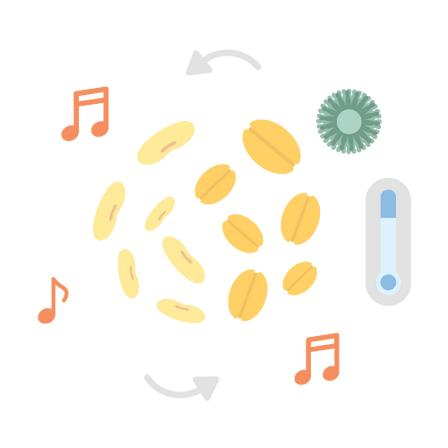
3. Mash Preparation & Enclosed Fermentation (Key Conversion Stage for High-salt Liquid-state Process)
Process Flow
Mix mature koji with 18°Bé saturated brine (2–2.5 times the raw material weight) → stir to prepare mash → pump into enclosed fermentation tanks; low-temperature cultivation at 15°C for 15 days in early stage, then gradually heat up to 28–30°C for constant-temperature fermentation of 4–6 months, with automatic circulating oil spraying at regular intervals. Salt-tolerant yeast and lactic acid bacteria cooperate with enzymes to generate sauce aroma and umami substances.
Supporting Equipment
1. Brine system: Salt dissolving tanks, online brine concentration blending tanks, plate heat exchange warm water tanks
2. Mash preparation & mixing: Horizontal mash blenders, quantitative delivery pumps
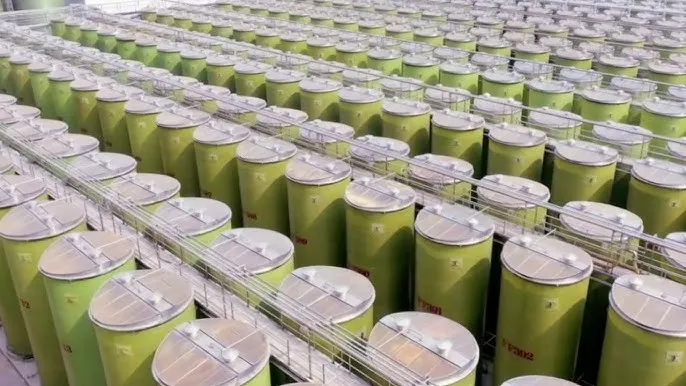
3. Core fermentation equipment: Vertical stainless steel enclosed fermentation tanks (with jacket temperature control, built-in automatic circulating spraying systems, bottom stirring devices, online pH & salinity monitors)
4. Auxiliaries: Circulating oil pumps, corrosion-resistant screw pumps for mash transfer, PLC central control system for fermentation environment
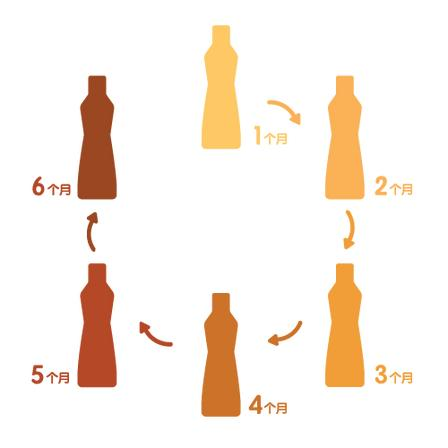
4. Mash Pressing & Oil Extraction (Extraction of Raw Soy Sauce)
Process Flow
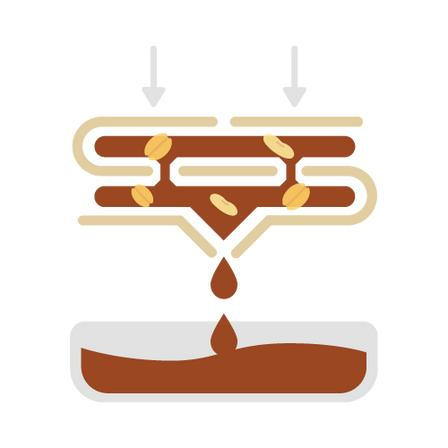
Deliver mature mash to pressing workshop → high-pressure extrusion to separate primary raw sauce → secondary rinsing to extract secondary sauce → ˚˚separation of residue (soy sauce residue for feed production)
Supporting Equipment
1. Conveyance: Insulated mash storage tanks, corrosion-resistant screw feed pumps
2. Main pressing equipment
○ Full-automatic plate-and-frame filter presses (high precision, high clear liquid yield, for premium production lines)
○ Screw presses (for medium & small factories with large processing capacity)
3. Auxiliaries: Filter cloth washing machines, raw sauce temporary clarification tanks, screw conveyors for residue discharge
5. Blending & Refining (Unify Flavor, Color and Physicochemical Indicators)
Process Flow
Mix raw sauce from multiple batches → test salinity and amino nitrogen → adjust formula as required (caramel color, monosodium glutamate, I+G, white granulated sugar, preservatives) → static sedimentation to remove suspended solids
Supporting Equipment
Stainless steel jacketed blending tanks (with stirring and temperature control), automatic metering dosing pumps, sugar dissolving tanks, caramel cooking kettles, large-capacity static sedimentation storage tanks, online color & salinity detectors
6. Sterilization & Fine Filtration (Ensure Shelf Stability and Clarity of Finished Products)
Process Flow
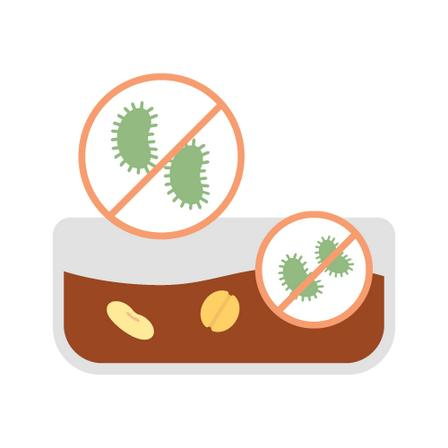
Blended soy sauce → pasteurization (75–85°C, holding for 15–30 seconds) → rapid cooling → multi-stage fine filtration → secondary static clarification
Supporting Equipment
1. Main sterilization units: Tubular UHT instant sterilizers / plate pasteurizers (continuous automatic operation with precise temperature control)
2. Filtration equipment: Diatomaceous earth filters, bag-type precision filters, membrane filter units (for zero-precipitation premium soy sauce)
3. Cooling equipment: Plate cold water heat exchangers, finished product buffer storage tanks
7. Fully Automatic Filling & Packaging
Process Flow
Empty bottle washing & disinfection → automatic filling → capping → date code spraying → labeling → inspection (liquid level, leakage, foreign matter) → cartoning & warehousing
Complete Packaging Line Equipment
Integrated bottle washing & disinfection machines, negative-pressure liquid filling machines, servo capping machines, laser coding machines, self-adhesive labeling machines, visual inspection machines, heat shrink wrapping machines, automatic cartoning & palletizing machines, finished product conveying lines
Supplementary: Differences of Low-salt Solid-state Simplified Production Line (Low-cost Mass Production)
1. Simplified process: No wheat roasting step, fermentation cycle only 20–30 days, no large enclosed fermentation tanks (cement fermentation pools adopted)
2. Reduced equipment: No disc koji makers (simple ventilated koji pools), no large constant-temperature fermentation tanks, miniaturized pressing equipment, suitable for mass production of mid-to-low grade soy sauce
General Auxiliary Equipment for Entire Production Line
1. Temperature control system: Steam boilers, chillers, plate heat exchangers
2. Conveyance: Full stainless steel screw / belt conveyors, corrosion-resistant centrifugal pumps
3. Automatic control: PLC central control systems, online sensors for temperature, humidity, salinity and pH, data recording systems
4. CIP cleaning: Automatic Clean-in-place tanks for food-grade sanitary cleaning
5. Quality inspection: Physicochemical testing instruments, microbial incubators, heavy metal detectors
 RELATED
 RELATED
This website uses cookies to ensure you get the best experience on our website.




 Phone
Phone