 +86 29-87031531


Stainless steel Brite Beer Tank for Brewery Beer Storage and Conditioning
Basic Info.
Model NO. | ALT-BT-3000L |
Motive Force | Pressure |
Style | Vertical or Horizontal |
Performance | Fermentation |
Certification | CE, ISO9001 |
Tank Material | SUS304/SUS316L |
Thickness | 1.5mm ~ 3mm |
Capacity | Customized |
Design Pressure | 0-0.3MPa |
Work Temperature | -5-40℃ |
Sealing Materials | Silicone, NBR, EPDM, FKM |
Heating Method | Steam/Electric/Gas Heating |
Surface Treatment | Mirror Polish/Brushed |
Pressure Test Report | Provided |
Transport Package | Carton/Seaworthy Wooden Box |
Specification | Customized |
Trademark | Aelt |
Origin | Yangling, China |
HS Code | 8421299090 |
Production Capacity | 3000pieces/Month |
Packaging & Delivery | |
Package Size | 100.00cm * 100.00cm * 150.00cm |
Package Gross Weight | 60.000kg |
Product Description
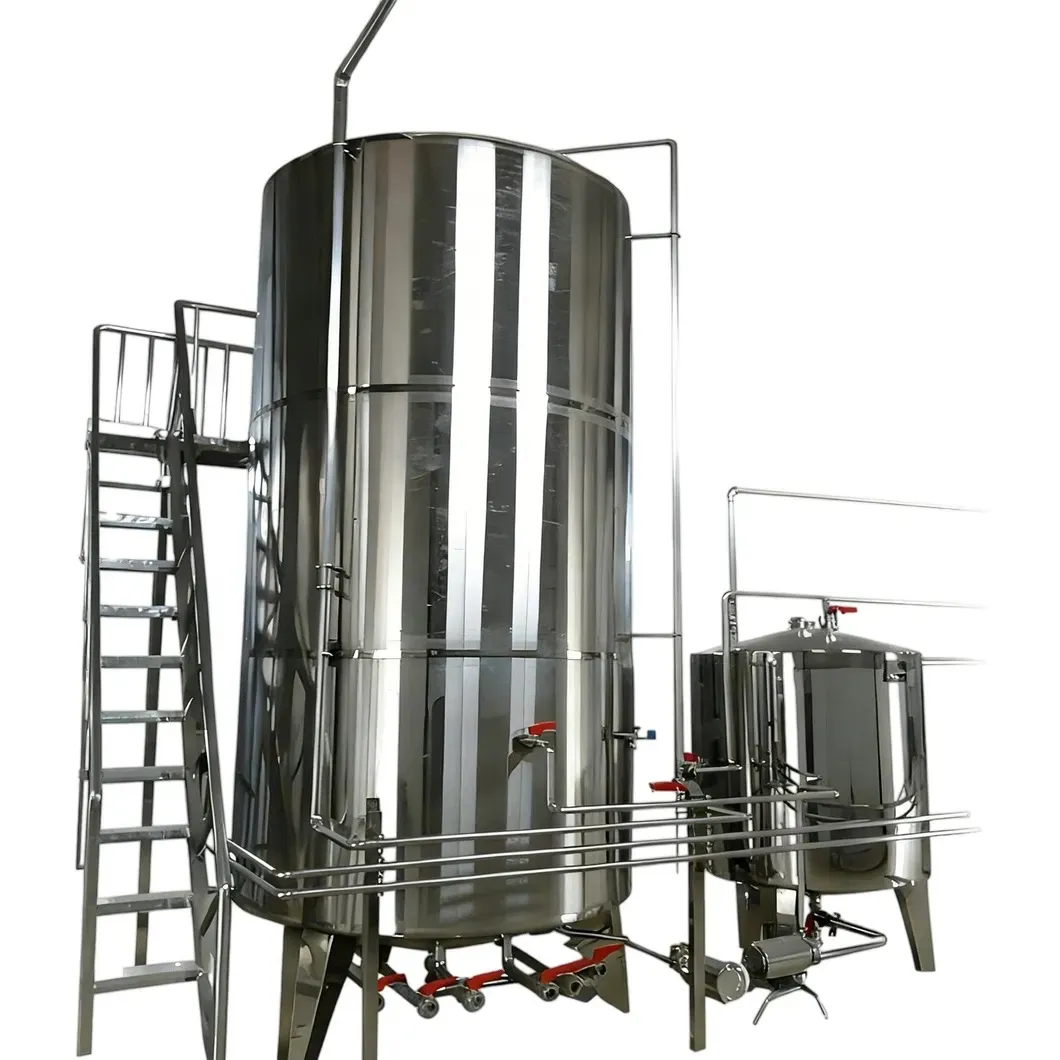
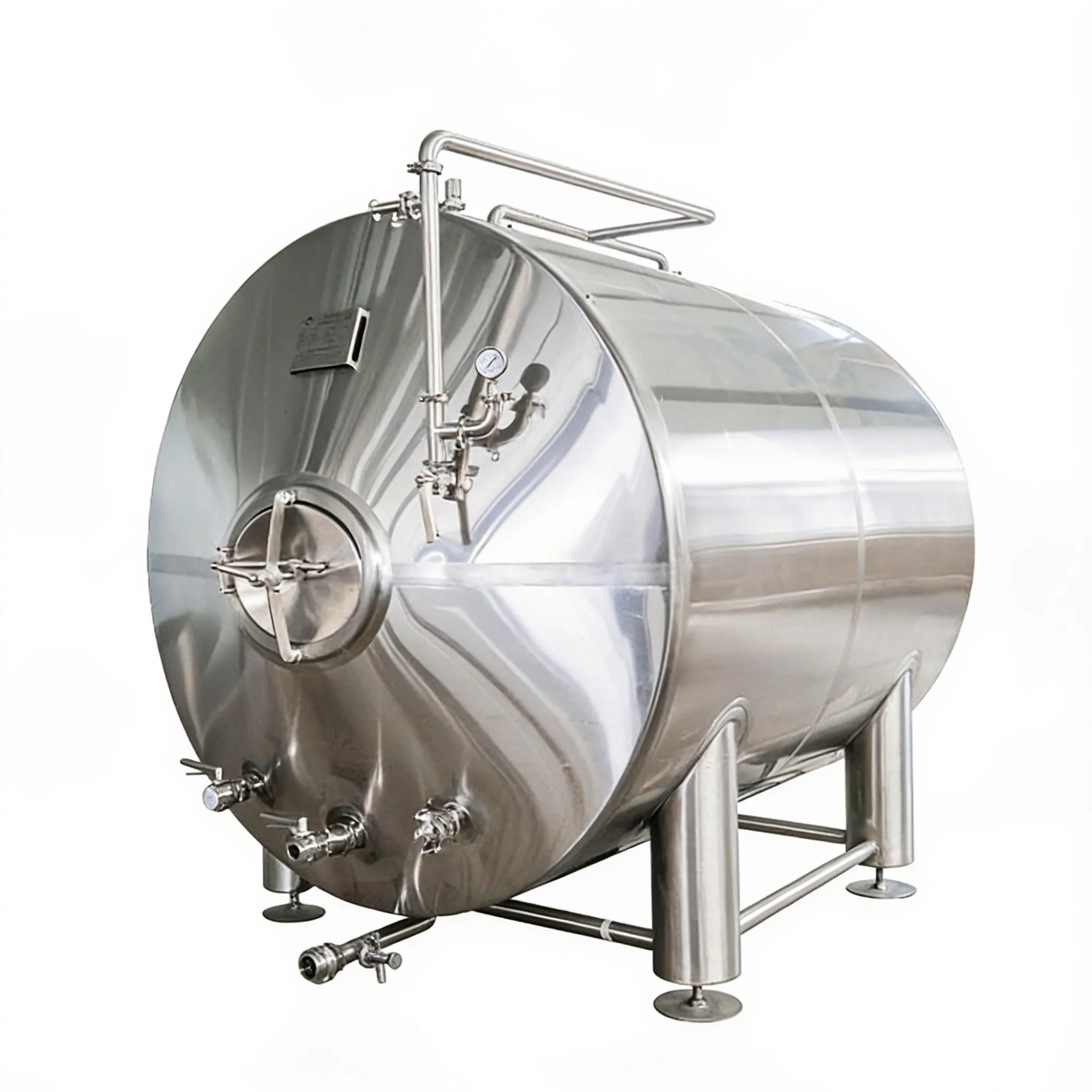
The Stainless Steel Bright Beer Tank (BBT), also known as a Serving Tank or Conditioning Tank, is designed for beer maturation, clarification, carbonation, and serving after fermentation.
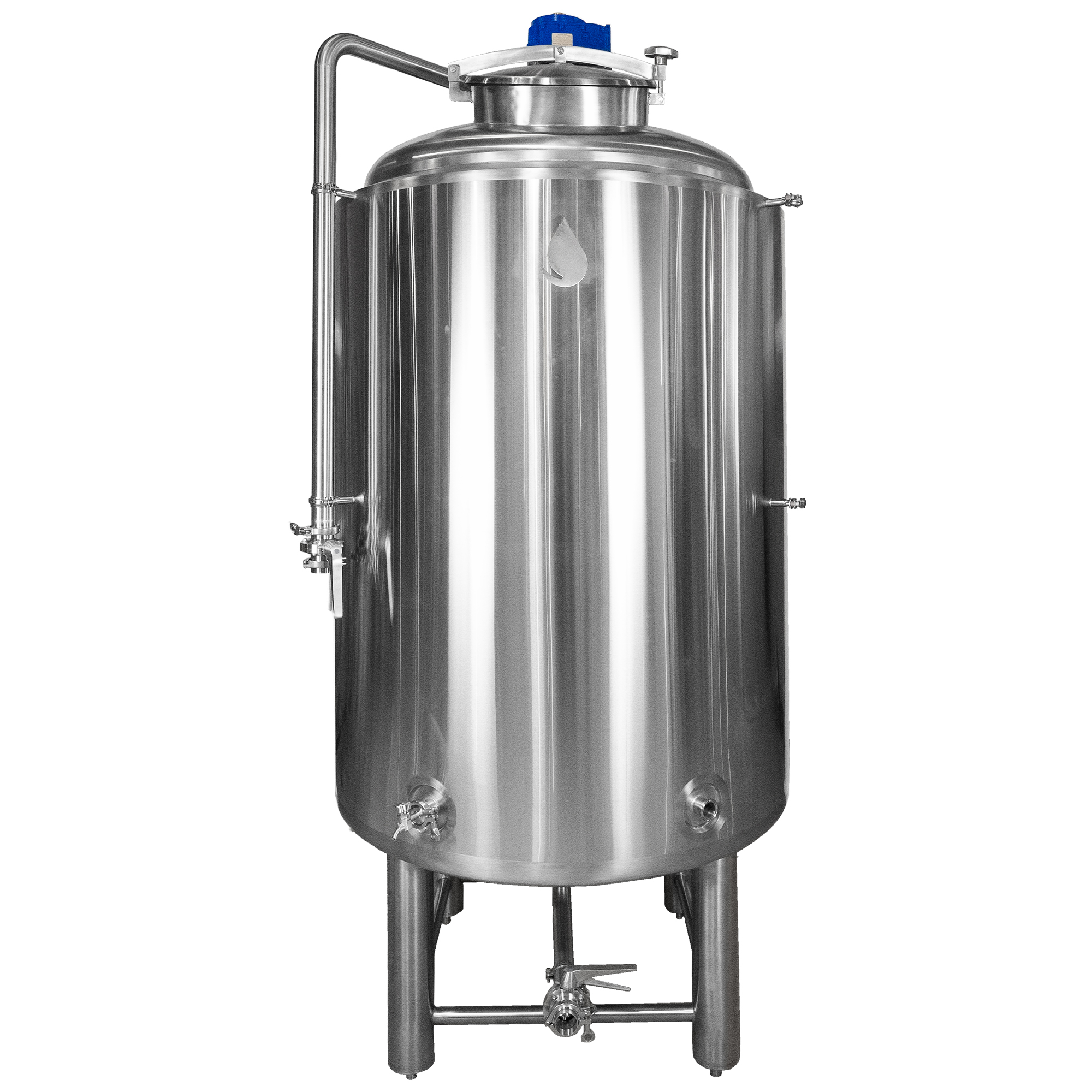
Our Stainless Steel Bright Tanks are the epitome of precision engineering, crafted specifically for the refined processes of sake fermentation, maturation, and storage.The tank body is made of SUS304 or SUS316L stainless steel with smooth inner surface polishing, which is easy to clean and suitable for CIP systems.
The cooling jacket allows accurate temperature control during fermentation, improving beer quality and consistency.
Each beer bright tank can be customized in terms of volume, pressure rating, insulation thickness, and connection type, making it suitable for both start-up breweries and large-scale commercial projects.
By seamlessly integrating time-honored brewing traditions with cutting-edge hygienic design, these tanks create the perfect environment that enhances and preserves the subtle flavors of sake. They stand as benchmarks of food safety and operational excellence, ensuring that every drop meets the highest standards of taste and quality.
Key Design Features
1. Material & Construction
·
Premium Food-Grade Stainless Steel: Constructed with SUS304 or SUS316L stainless steel, our tanks feature polished interiors (ranging from #400-600 grit or electropolished) that promise both durability and aesthetic appeal.
·
·
Sanitary Design: Meticulously welded interiors with smooth radius corners effectively eliminate crevices, ensuring an environment resistant to bacterial growth.
·
·
Advanced Multi-Layer Insulation: Insulated with high-quality polyurethane foam and encased in stainless steel cladding, our tanks offer unmatched precision in temperature regulation.
·
·
Elegant Surface Treatments: Choose from interior passivation and varied exterior finishes (brushed, mirror, or custom) that enhance both longevity and visual appeal.
·
2. Technical Specifications
·
Versatile Capacity Range: Available in capacities ranging from 500L to an impressive 50,000L, catering to both small and large production needs.
·
·
Working Pressure Versatility: Engineered to handle pressures from -0.1 to 0.3 MPa, accommodating both vacuum and low-pressure scenarios.
·
·
Precision Temperature Control: Featuring a jacketed design, our tanks offer remarkable precision, maintaining temperatures within ±0.5°C.
·
·
Essential Accessories:
·
·
Equipped with sanitary manways featuring clamp-type closures for easy access and maintenance.
·
·
CIP (Clean-in-Place) spray balls ensure thorough cleanliness and hygiene.
·
·
Integrated temperature and pressure sensors for maintaining ideal brewing conditions.
·
·
Sight glasses and sample valves facilitate easy monitoring and sampling.
·
·
Breathing filters (0.2μm) effectively prevent contamination, ensuring purity.
·
3. Specialized Components
·
Fermentation Control System: Our tanks come with integrated cooling/heating jackets, utilizing glycol or thermal oil to regulate temperature precisely.
·
·
Advanced Gas Management: Featuring CO2 release valves and nitrogen blanketing systems to maintain optimal gas balance.
·
·
Efficient Mixing Options: Optional gentle agitation systems are available to ensure even yeast distribution.
·
·
Sanitary Connection Excellence: Equipped with tri-clamp or DIN fittings throughout to ensure maximum sanitary integrity.
·
Brewing Process Advantages
·
Optimized Fermentation Stage
·
·
Achieve perfect temperature gradients that promote healthy koji and yeast activity, ensuring flavor integrity.
·
·
A sterile environment is maintained, guarding against unwanted microbial contamination.
·
·
Observation ports provide clear views for real-time monitoring of fermentation progress.
·
·
Unwavering Quality Preservation
·
·
Non-reactive surfaces prevent any metallic taste transfer, retaining sake's pure essence.
·
·
Smooth interior design facilitates complete drainage, ensuring easy and thorough cleaning.
·
·
Designed to prevent odors, maintaining the original aroma of sake intact.
·
·
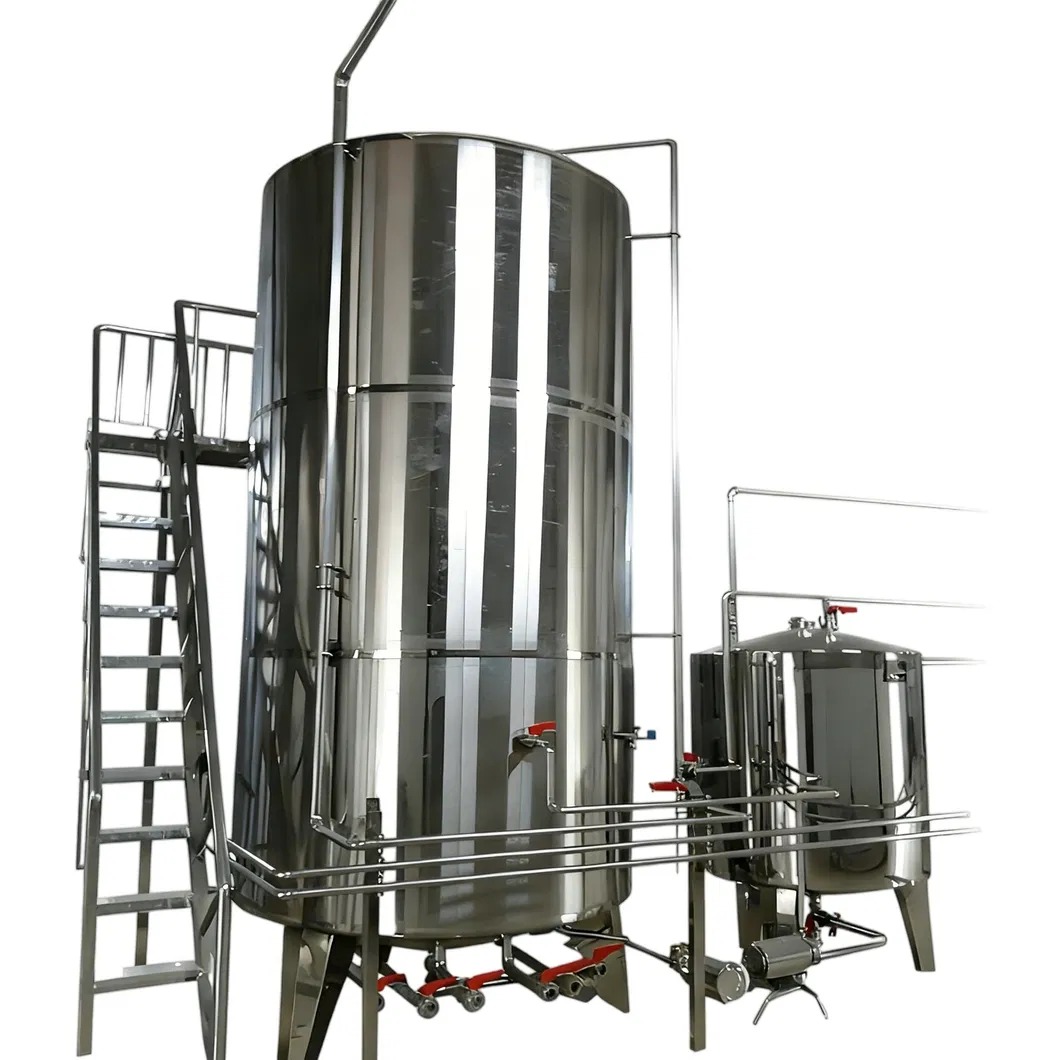
Superior Maturation & Storage
·
·
Light-blocking construction shields sake from harmful UV, preserving its quality.
·
·
Oxygen exclusion systems effectively minimize oxidation, keeping sake fresh.
·
·
Capable of consistent low-temperature storage, ideal for maintaining sake's delicate profile.
Bright Wine Tank: Complete SEO Guide for Modern Winery Storage, Clarification & Conditioning Systems
Introduction
A Bright Wine Tank is a core piece of Stainless steel equipment used in modern wineries for wine clarification, stabilization, maturation, cold conditioning, carbonation control (for sparkling wines), and pre-bottling storage. It is designed to hold “bright wine”—a finished, clarified, and stabilized wine that has already completed fermentation and is ready for final processing or packaging.
As global wine production becomes increasingly industrialized and quality-driven, the bright wine tank has become essential for ensuring batch consistency, oxygen control, temperature stability, and hygienic storage conditions.
This comprehensive guide provides a deep, SEO-optimized exploration of Bright Wine Tanks, including definitions, working principles, types, technical specifications, construction materials, applications, advantages, and industry trends. It is structured for Google indexing, keyword density optimization, and long-form content authority building.
What Is a Bright Wine Tank?
A Bright Wine Tank is a stainless steel vessel used to store, stabilize, clarify, and condition wine after fermentation. The term “bright wine” refers to wine that is clear, stable, and free of suspended solids, haze, or fermentation activity.
Unlike fermentation tanks, bright wine tanks are designed specifically for:
·
Post-fermentation processing
·
·
Pre-bottling preparation
·
·
Temperature-controlled storage
·
·
Wine stabilization and polishing
·
Core Definition
A bright wine tank is a closed, sanitary, temperature-controlled stainless steel container designed for finished wine handling and quality refinement before packaging.
Role of Bright Wine Tanks in Winemaking
Bright wine tanks play a critical role in the final stages of wine production.
Key Winery Functions
·
Wine clarification and polishing
·
·
Cold stabilization
·
·
Sediment settling
·
·
Oxygen-free storage
·
·
Flavor preservation
·
·
Pre-bottling conditioning
·
Importance in Production Chain
Stage | Equipment Used |
Fermentation | Fermenter |
Maturation | Aging tank / barrel |
Clarification | Bright wine tank |
Packaging | Filling line |
Bright wine tanks bridge the gap between fermentation and bottling.
Working Principle of Bright Wine Tanks
The operation of a bright wine tank is based on controlled environmental stabilization and hygienic storage.
Step 1: Wine Transfer
Wine is transferred from fermentation or aging vessels into the bright tank using closed piping systems to avoid oxygen exposure.
Step 2: Temperature Stabilization
Cooling jackets regulate wine temperature to enhance clarity and stability.
Step 3: Sediment Settling
Suspended particles naturally settle under controlled low-temperature conditions.
Step 4: Oxygen Protection
Inert gas systems (nitrogen or CO₂) protect wine from oxidation.
Step 5: Conditioning
Wine is held until ready for filtration or bottling.
Key Functions in Winery Operations
Clarification Function
Removes haze, yeast residue, and particulate matter.
Stabilization Function
Ensures chemical stability of wine.
Storage Function
Provides safe, short-term holding capacity.
Pre-Bottling Function
Prepares wine for filtration and packaging.
Types of Bright Wine Tanks
Vertical Bright Wine Tank
·
Most common design
·
·
Efficient space usage
·
·
Gravity-assisted sedimentation
·
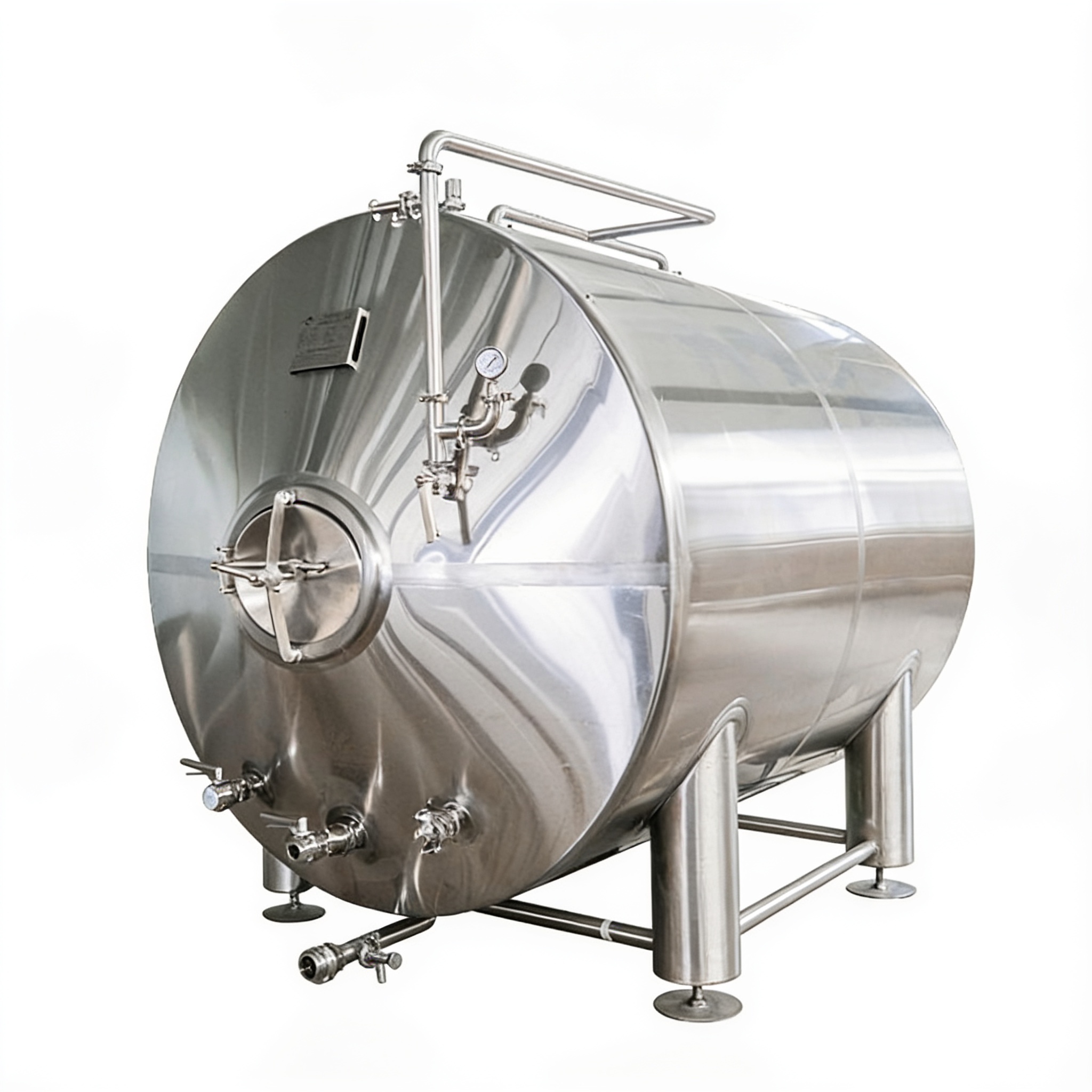
Horizontal Bright Wine Tank
·
Lower ceiling requirement
·
·
Easier maintenance access
·
·
Better surface area distribution
·
Jacketed Bright Wine Tank
·
Integrated glycol cooling system
·
·
Temperature-sensitive wine processing
·
Pressure Bright Wine Tank
·
Designed for sparkling wines
·
·
CO₂ retention capability
·
Stainless Steel Construction and Materials
Bright wine tanks are constructed using food-grade stainless steel to ensure hygiene and durability.
Material Grades
Material | Application |
SUS304 | Standard wine storage |
SUS316L | High-acidity wine |
Duplex Steel | High-pressure systems |
Benefits of Stainless Steel
·
Corrosion resistance
·
·
Hygienic surface
·
·
Easy cleaning
·
·
Long operational life
·
·
Neutral flavor impact
·
Tank Capacity Options
Bright wine tanks are available in multiple sizes to suit winery production scales.
Standard Capacity Range
Capacity | Winery Type |
500L | Boutique wineries |
1000L | Small wineries |
2000L | Medium wineries |
3000L | Commercial wineries |
5000L | Large wineries |
10000L+ | Industrial wineries |
Technical Specifications
Standard Bright Wine Tank Parameters
Item | Specification |
Capacity | 500L – 10000L+ |
Material | SUS304 / SUS316L |
Design Pressure | 0.2–0.3 MPa |
Working Pressure | 0.1–0.2 MPa |
Temperature Range | -5°C to 30°C |
Insulation | Polyurethane foam |
Surface Finish | ≤0.4 μm Ra |
Cooling System | Glycol jacket |
Gas Protection | N₂ / CO₂ |
Temperature Control Systems
Temperature stability is essential for wine quality preservation.
Cooling Technologies
·
Glycol jacket systems
·
·
Ice water circulation
·
·
Multi-zone temperature control
·
Recommended Storage Temperatures
Wine Type | Temperature |
White Wine | 8–12°C |
Red Wine | 12–18°C |
Rosé Wine | 10–14°C |
Sparkling Wine | 5–8°C |
Cooling Jacket Technology
Cooling jackets ensure precise thermal control.
Types of Jackets
Dimple Jacket
·
High efficiency heat transfer
·
·
Common in industrial tanks
·
Half-Pipe Coil Jacket
·
High durability
·
·
Used in high-pressure systems
·
Full Jacket
·
Uniform cooling coverage
·
Oxygen Control and Inert Gas Protection
Oxygen exposure is one of the biggest risks in wine storage.
Protection Methods
Nitrogen Blanketing
·
Displaces oxygen in headspace
·
CO₂ Protection
·
Common in sparkling wine systems
·
Closed Transfer Systems
·
Prevents oxidation during pumping
·
Pressure Management Systems
Bright wine tanks often operate under controlled pressure conditions.
Pressure Parameters
Parameter | Value |
Working Pressure | 0.1–0.2 MPa |
Safety Pressure | 0.25–0.3 MPa |
Test Pressure | 0.3–0.4 MPa |
Wine Clarification and Stabilization
Clarification Process
·
Cold stabilization
·
·
Sedimentation
·
·
Filtration preparation
·
Stabilization Types
·
Tartrate stabilization
·
·
Protein stabilization
·
·
Microbial stabilization
·
Advantages of Bright Wine Tanks
Product Consistency
Ensures uniform wine quality across batches.
Oxygen Protection
Reduces oxidation risk significantly.
Temperature Stability
Maintains ideal storage conditions.
Hygienic Operation
Stainless steel ensures sanitary handling.
Production Efficiency
Speeds up winery workflow.
Applications in Wine Industry
Bright wine tanks are widely used in:
·
Red wine production
·
·
White wine production
·
·
Rosé wine production
·
·
Sparkling wine systems
·
·
Fruit wine production
·
·
Dessert wine processing
·
Comparison with Fermentation Tanks
Feature | Bright Wine Tank | Fermentation Tank |
Fermentation | No | Yes |
Storage | Yes | Limited |
Clarification | Yes | Partial |
Oxygen Control | High | Moderate |
Comparison with Oak Barrels
Feature | Bright Wine Tank | Oak Barrel |
Flavor Impact | Neutral | Strong |
Hygiene | High | Moderate |
Cost | Lower | Higher |
Consistency | High | Variable |
Comparison with Storage Tanks
Feature | Bright Wine Tank | Storage Tank |
Blending Capability | Yes | No |
Stabilization | Yes | Limited |
Temperature Control | High | Basic |
Hygienic Design and Food Safety Standards
Design Features
·
Smooth interior polishing
·
·
Dead-zone-free structure
·
·
Food-grade seals
·
·
Sanitary welds
·
Surface Finish Standards
Grade | Roughness |
Standard | ≤0.8 μm |
Premium | ≤0.4 μm |
Pharmaceutical | ≤0.25 μm |
Clean-In-Place systems ensure sanitary production.
Cleaning Steps
1.
Pre-rinse
2.
3.
Alkaline wash
4.
5.
Acid wash
6.
7.
Final rinse
8.
9.
Sanitization
10.
Benefits
·
Reduced labor cost
·
·
Higher hygiene levels
·
·
Faster production cycles
·
Installation Requirements
Winery Infrastructure Needs
Requirement | Description |
Floor Load | Reinforced concrete |
Cooling System | Glycol chiller |
Gas System | CO₂ / N₂ supply |
Drainage | Sanitary drains |
Power Supply | Industrial standard |
Maintenance Guidelines
Daily Maintenance
·
Temperature check
·
·
Pressure monitoring
·
·
Valve inspection
·
Weekly Maintenance
·
Seal inspection
·
·
CIP verification
·
·
Sensor testing
·
Monthly Maintenance
·
Cooling system inspection
·
·
Gas system check
·
·
Structural review
·
Annual Maintenance
·
Pressure testing
·
·
Full calibration
·
·
Safety valve testing
·
Energy Efficiency Features
Insulation System
·
Polyurethane foam reduces heat loss
·
Efficient Cooling
·
Dimple jackets optimize energy use
·
Smart Controls
·
Automated temperature regulation
·
Operational Challenges
Oxidation Risk
Caused by:
·
Poor sealing
·
·
Improper transfer
·
Temperature Fluctuation
Caused by:
·
Cooling failure
·
·
Sensor malfunction
·
Sediment Issues
Caused by:
·
Incomplete clarification
·
Selection Criteria for Wineries
Capacity Planning
Match tank size to production volume.
Material Selection
SUS316L recommended for high-acidity wines.
Cooling System Design
Ensure glycol compatibility.
Automation Level
Manual vs PLC systems.
Expansion Strategy
Plan for future winery growth.
Future Trends in Bright Wine Tank Technology
Smart Winery Systems
IoT-based monitoring and control.
AI Wine Management
Data-driven blending and stabilization.
Sustainable Production
Reduced water and energy consumption.
Automated Wine Processing
Fully integrated winery systems.
Frequently Asked Questions
What is a bright wine tank used for?
It is used for storing, stabilizing, clarifying, and conditioning wine before bottling.
Is stainless steel better than barrels?
Yes, stainless steel provides better hygiene, consistency, and control.
Can it handle sparkling wine?
Yes, pressure-rated tanks are suitable for sparkling wine systems.
What temperature should wine be stored at?
Typically between 5°C and 18°C depending on wine type.
How long can wine stay in a bright wine tank?
From several days to several months depending on production requirements.
Conclusion
The Bright Wine Tank is an essential component of modern winemaking, providing controlled, hygienic, and efficient storage and stabilization for finished wine before bottling. With advanced stainless steel construction, precise temperature regulation, oxygen protection systems, and scalable capacity options, bright wine tanks ensure consistent wine quality, improved production efficiency, and long-term operational reliability.
From boutique wineries to large-scale industrial production facilities, bright wine tanks are a fundamental technology enabling the global wine industry to maintain high standards of flavor consistency, product safety, and production efficiency.
This website uses cookies to ensure you get the best experience on our website.



 Phone
Phone