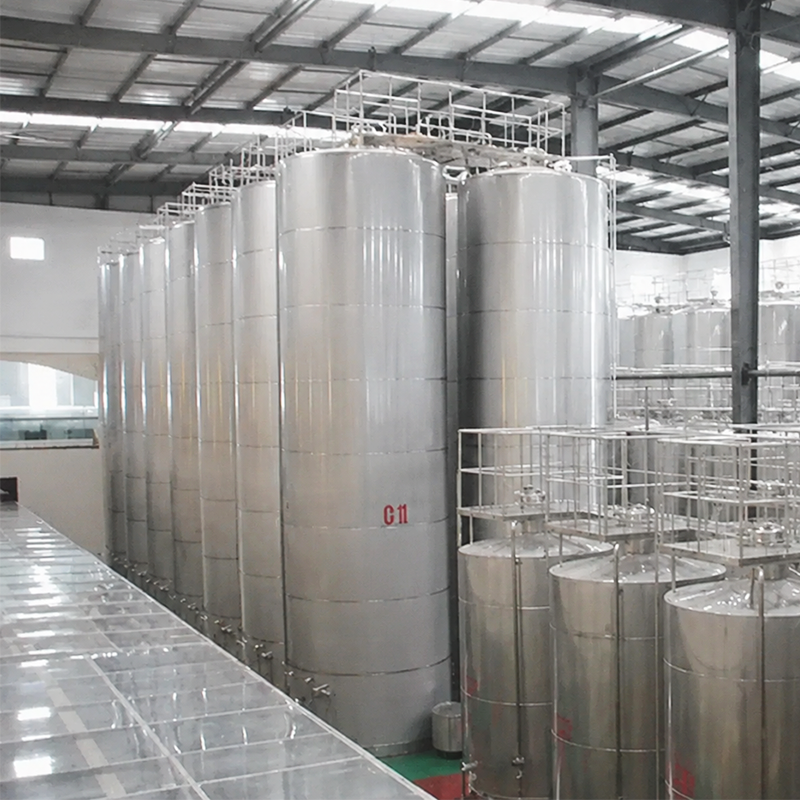
A Stainless steel fermenter for craft beer excellence is one of the most important investments for breweries that want consistency, cleanliness, precision, and long-term performance. In modern Craft beer production, the fermenter is not just a tank; it is the core vessel where yeast converts wort into beer, where flavor development happens, and where quality control begins to take shape. Whether you are operating a small craft brewery, a pilot system, or a growing production facility, Choosing the right stainless steel fermenter can directly influence beer clarity, aroma, stability, carbonation, and repeatability.
This industry guide provides general, SEO-friendly information about Stainless Steel Beer Fermenters, including definitions, key benefits, common specifications, design features, and selection factors. It is written for use in blog posts, category pages, industry pages, and brewery equipment content hubs. The focus is on craft Beer fermentation equipment, Stainless steel brewing tanks, and the technical advantages that make stainless steel the preferred material for professional brewing operations.
What Is a Stainless Steel Fermenter?
A stainless steel fermenter is a brewing vessel used to hold wort during fermentation and, in many cases, conditioning. During this stage, yeast consumes sugars and produces alcohol, carbon dioxide, and flavor compounds that define the final beer profile. In craft brewing, fermenters are designed to maintain sanitary conditions, support temperature control, and allow brewers to manage yeast performance with accuracy.
Stainless steel is the industry standard material for modern fermentation tanks because it offers excellent corrosion resistance, strong structural integrity, easy cleaning, and long service life. Compared with plastic, wood, or lower-grade metals, stainless steel provides a much more stable and hygienic environment for beer fermentation. For breweries that aim for craft beer excellence, this stability is essential.
Why Stainless Steel Matters in Craft Beer Fermentation
The choice of Fermentation vessel affects beer quality from the first day of production. A stainless steel fermenter for craft beer excellence is preferred because the material supports strict sanitation, flavor purity, and process repeatability. Stainless steel does not easily absorb odors, does not impart unwanted flavors, and can be cleaned thoroughly between batches. These characteristics help brewers produce clean, consistent beer styles such as pale ale, IPA, stout, lager, pilsner, saison, and specialty craft releases.
In addition, stainless steel fermenters are compatible with advanced brewing features such as cooling jackets, pressure-rated lids, sampling valves, dry hopping ports, racking arms, sight glasses, and CIP systems. This makes them highly adaptable for different brewing methods and production goals.
Key Advantages of a Stainless Steel Fermenter for Craft Beer Excellence
- Excellent hygiene: Stainless steel has a smooth surface that is easy to sanitize and less likely to harbor bacteria or wild yeast.
- Corrosion resistance: High-quality stainless steel resists rust and oxidation when properly maintained.
- Durability: Fermenters are built to withstand daily brewery use, thermal changes, and repeated cleaning cycles.
- Flavor neutrality: Stainless steel preserves the intended beer profile without transferring off-flavors.
- Temperature control compatibility: Many fermenters support glycol jackets or internal cooling systems for precise fermentation management.
- Pressure capability: Some models are designed for fermentation under pressure or spunding applications.
- Long service life: With proper maintenance, stainless steel brewery tanks can operate reliably for many years.
- Professional appearance: Polished stainless steel equipment presents a clean, premium image in taprooms and brewery facilities.
How Stainless Steel Fermenters Support Beer Quality
Beer quality depends on controlling temperature, oxygen exposure, yeast health, and sanitation. A stainless steel fermenter helps manage these factors by providing a sealed, stable, and easy-to-clean environment. Fermentation temperature has a major effect on ester production, attenuation, and overall beer character. For example, lager fermentation typically requires cooler, more controlled temperatures, while ale fermentation may be slightly warmer. Stainless steel tanks with cooling jackets enable accurate thermal management throughout the entire fermentation cycle.
Oxygen control is also important. Excess oxygen after fermentation can lead to staling and flavor degradation. A properly designed fermenter minimizes oxygen ingress during transfers, sampling, and packaging preparation. Many stainless steel fermenters are built with sanitary fittings and pressure-tested components to support low-oxygen brewing practices.
In craft beer production, consistency matters. Batch-to-batch repeatability allows breweries to protect brand reputation and meet customer expectations. Stainless steel fermentation equipment contributes to this consistency by reducing contamination risk and improving process control.
Common Types of Stainless Steel Fermenters
Stainless steel fermenters are available in several styles, depending on brewery size, beer style, and production method. Below are some of the most common types used in craft brewing operations.
Fermenter Type |
Description |
Typical Use |
|---|
Conical fermenter |
Features a cone-shaped bottom for yeast collection and easy trub removal. |
Widely used in craft breweries for efficient fermentation and yeast Harvesting. |
Unitank |
A pressure-rated vessel that can ferment, condition, and carbonate beer. |
Ideal for breweries seeking multiple functions in one tank. |
Open Fermenter |
An open-top or partially open vessel that allows more direct interaction with the fermentation process. |
Used for traditional or specialty beer styles where exposure is part of the process. |
Bright Tank |
A conditioning vessel used after fermentation for clarification and carbonation. |
Serves as a finishing tank before packaging or serving. |
Jacketed Fermenter |
Includes a cooling jacket for precise fermentation temperature control. |
Common in most professional craft brewery setups. |
Pressurized Fermenter |
Built to handle internal pressure during fermentation and carbonation. |
Useful for lagers, spunding, and certain modern brewing workflows. |
Standard Features Found in Craft Beer Stainless Steel Fermenters
While fermenter designs vary, many professional Beer Fermentation Tanks share a set of core features. These features help brewers maintain sanitary operation and control key brewing variables.
Feature |
Purpose |
Benefit |
|---|
Conical Bottom |
Collects yeast and trub at the base of the tank. |
Improves sediment removal and yeast recovery. |
Cooling Jacket |
Circulates glycol or chilled liquid around the vessel. |
Maintains stable fermentation temperature. |
Sample Valve |
Allows beer samples to be taken during fermentation. |
Supports quality control and process monitoring. |
Racking Arm |
Helps transfer clear beer from the fermenter. |
Reduces sediment pickup during transfer. |
Pressure Relief Valve |
Protects the tank from excess internal pressure. |
Improves safety and operational control. |
Manway |
Provides access for inspection and cleaning. |
Simplifies maintenance and sanitation. |
CIP Spray Ball |
Supports clean-in-place washing inside the tank. |
Improves cleaning efficiency and consistency. |
Thermowell |
Holds a temperature probe inside the vessel. |
Enables accurate temperature measurement. |
Typical Stainless Steel Grades Used in Fermenters
The quality of a stainless steel fermenter depends not only on design but also on the grade of stainless steel used. In brewing equipment, the most common grades are 304 and 316 stainless steel. Both offer good corrosion resistance, but the choice depends on environment, cleaning chemistry, and operational requirements.
Stainless Steel Grade |
Main Characteristics |
Common Application |
|---|
304 Stainless Steel |
Widely used, cost-effective, strong corrosion resistance for standard brewery conditions. |
Most craft beer fermenters and general brewery tanks. |
316 Stainless Steel |
Enhanced resistance to corrosion and chemicals, especially in harsher environments. |
Premium fermenters or systems with more demanding sanitation needs. |
For many craft breweries, 304 stainless steel is a practical and reliable choice. However, 316 stainless steel may be preferred in specific cases where cleaning agents, water quality, or environmental conditions require additional protection.
How to Choose the Right Stainless Steel Fermenter
Selecting the right fermenter involves more than choosing a tank size. Breweries should evaluate production capacity, beer styles, space limitations, temperature control needs, and future growth plans. A good stainless steel fermenter should align with both current operations and long-term expansion goals.
- Batch size: Match the fermenter volume to your brewing output and target annual production.
- Beer style: Consider whether you primarily brew ales, lagers, mixed fermentation beers, or high-gravity styles.
- Temperature control: Determine whether you need a jacketed tank, integrated cooling, or pressure fermentation.
- Available space: Measure ceiling height, floor load, access doors, and utility connections.
- Cleaning system: Ensure the vessel is compatible with manual cleaning or CIP cleaning protocols.
- Future expansion: Plan for additional tanks as production volume increases.
- Budget and lifecycle value: Consider the total cost of ownership, not just the purchase price.
Typical Sizes and Capacities
Stainless steel fermenters are available in a wide range of sizes, from small pilot tanks to large production vessels. The ideal capacity depends on brewery scale and production goals. Smaller fermenters are often used by startup breweries, research facilities, or experimental brewing teams, while larger tanks support commercial production and more efficient batch management.
Capacity Range |
Typical Use |
Best For |
|---|
1–5 BBL |
Small pilot or test batches |
Recipe development, taproom exclusives, small startups |
7–15 BBL |
Small craft brewery production |
Taproom breweries and local distribution |
20–30 BBL |
Mid-size production fermentation |
Growing craft breweries with expanding demand |
40+ BBL |
Large-scale production |
High-volume craft beer operations and regional distribution |
The right size should always account for headspace, yeast activity, krausen formation, and operational flexibility. A fermenter should not be selected solely by total capacity; the working volume and beer style matter just as much.
Functional Benefits of Jacketed Stainless Steel Fermenters
Jacketed stainless steel fermenters are among the most popular choices in craft brewing because they give brewers more control over fermentation temperature. Temperature is one of the most important variables in beer quality, and even small changes can affect flavor, aroma, attenuation, and yeast behavior.
A cooling jacket allows chilled glycol or another thermal medium to circulate around the tank walls, helping remove heat generated during fermentation. This is especially important because yeast activity naturally creates heat. Without temperature control, fermentation can rise too high and produce unwanted esters, fusel alcohols, or other flavor defects. By using a jacketed vessel, brewers can maintain consistent conditions throughout the batch.
Jacketed fermenters are commonly used for both ale and lager production and are highly recommended for breweries seeking better batch consistency and professional-level process control.
Cleaning and Sanitation in Stainless Steel Fermentation
Sanitation is one of the strongest reasons why stainless steel fermenters are preferred in craft beer production. After each batch, tanks must be cleaned thoroughly to remove yeast residue, protein deposits, hop matter, and microbial contaminants. Stainless steel surfaces support effective cleaning because they are smooth, non-porous, and compatible with brewery cleaning chemicals.
Many fermenters are designed for Clean-In-Place, or CIP, systems. This allows the vessel to be cleaned with minimal manual labor using spray balls and circulation loops. Proper CIP operation improves sanitation consistency and reduces downtime between batches. For breweries that prioritize efficiency, a CIP-compatible stainless steel fermenter is an important asset.
Good cleaning practices also extend equipment life. Regular rinsing, chemical cleaning, inspection, and passivation help maintain the corrosion resistance and appearance of stainless steel brewing tanks.
Stainless Steel Fermenter vs Other Fermenter Materials
Craft breweries may encounter fermenters made from plastic, glass, aluminum, or wood, but stainless steel remains the preferred choice for professional beer production. Each material has certain uses, but stainless steel offers the best balance of hygiene, durability, and process control.
Material |
Strengths |
Limitations |
|---|
Stainless Steel |
Highly sanitary, durable, corrosion resistant, professional-grade |
Higher upfront cost than plastic |
Plastic |
Low cost, lightweight, simple for small-scale use |
Lower durability, potential scratching, lower long-term value |
Glass |
Non-reactive and visually clear |
Fragile, limited capacity, less practical for brewery scale |
Wood |
Traditional character for specialty fermentation |
Harder to sanitize, less consistent, niche application |
Aluminum |
Lightweight and sometimes economical |
Less common in beer fermentation, more sensitive to corrosion |
For breweries that want to build a scalable, clean, and repeatable process, stainless steel is the most reliable option. It is especially important in commercial craft brewing where contamination risk and batch variation can directly affect profitability.
Technical Specifications to Consider
When reviewing stainless steel fermenters, breweries should compare technical specifications carefully. Even when two tanks appear similar, the details can affect performance, safety, and usability.
Specification |
Why It Matters |
|---|
Working Volume |
Determines how much beer can be safely fermented per batch. |
Total Volume |
Indicates the full tank capacity including headspace. |
Diameter and Height |
Affects footprint, ceiling clearance, and tank geometry. |
Insulation Thickness |
Improves temperature stability and cooling efficiency. |
Pressure Rating |
Important for spunding, carbonation, and safe operation. |
Finish Quality |
Impacts cleanability and internal surface hygiene. |
Fittings and Ports |
Supports sampling, transfer, cooling, and instrumentation. |
Tank Leg Design |
Ensures stability and safe load distribution. |
Best Practices for Craft Beer Fermentation Management
The best fermenter will only deliver strong results when used with proper brewing practices. Brewers should monitor yeast pitch rates, oxygenation, temperature, gravity, and cleaning procedures closely. Stainless steel fermenters make this easier by supporting reliable monitoring and control.
- Pitch healthy yeast at the correct rate for the beer style.
- Control fermentation temperature from start to finish.
- Minimize oxygen exposure after primary fermentation begins.
- Use sanitary sampling methods to track progress.
- Remove trub and yeast sediment as needed based on process goals.
- Clean and sanitize thoroughly after each batch.
- Inspect valves, gaskets, and fittings regularly for wear.
Consistent fermentation management helps preserve the benefits of stainless steel equipment and improves beer quality across all production runs.
Ideal Applications for Stainless Steel Fermenters
Stainless steel fermenters are used across a wide range of craft brewing environments. Their flexibility makes them suitable for many production models and beer categories.
- Microbreweries and taproom breweries
- Regional craft production facilities
- Contract brewing operations
- Pilot systems and recipe development labs
- Specialty beer and mixed fermentation projects
- Temperature-sensitive lager programs
- High-volume ale fermentation lines
Common SEO Keywords Related to Stainless Steel Fermenters
For content planning, category pages, or brewery equipment guides, the following keywords and phrases are commonly associated with stainless steel fermentation equipment and craft beer production:
- stainless steel fermenter for craft beer excellence
- stainless steel beer fermenter
- Craft Beer Fermentation Tank
- jacketed fermenter for brewery
- conical fermenter stainless steel
- beer fermentation vessel
- brewery fermenter tank
- pressure fermenter for craft beer
- sanitary fermentation tank
- Stainless Steel Brewing Equipment
- commercial beer fermenter
- brewery tank specifications
Naturally integrating these terms into headings, paragraphs, tables, and supporting sections can help improve topical relevance for search engines while keeping the content useful for readers.
Conclusion
A stainless steel fermenter for craft beer excellence is an essential piece of equipment for breweries that value cleanliness, quality, durability, and production control. From temperature management and yeast handling to sanitation and long-term reliability, stainless steel fermentation tanks support every major aspect of successful craft brewing. Their flexibility, professional build quality, and compatibility with modern brewery workflows make them the standard choice for both small and large operations.
Whether you are creating content for a brewery equipment directory, a blog article, or an industrial product page, stainless steel fermenters represent a highly relevant topic with strong SEO potential. By focusing on material benefits, technical features, size options, cleaning methods, and application scenarios, this content can help attract search traffic and educate readers seeking reliable beer fermentation solutions.
```
 +86 29-87031531





 Phone
Phone
Comment
(0)