A Stainless steel fermenter is one of the most important pieces of equipment in modern fermentation production. Whether used in beverage brewing, food processing, biotechnology, or industrial fermentation, a stainless steel fermenter helps maintain production stability, product consistency, sanitary safety, and process control. For manufacturers that rely on repeatable results, stable batch quality, and efficient operations, stainless steel fermentation tanks are often the preferred choice because they combine durability, cleanability, temperature resistance, and long service life.
In this guide, you will learn how stainless steel fermenters improve production stability, why they are widely used across fermentation industries, what technical features matter most, and which specifications are commonly found in industrial Fermenter systems. The content below is designed for SEO, directory pages, blog pages, and industrial product pages, and it focuses only on general industry information. No specific brand or company recommendations are included.
What Is a Stainless Steel Fermenter?
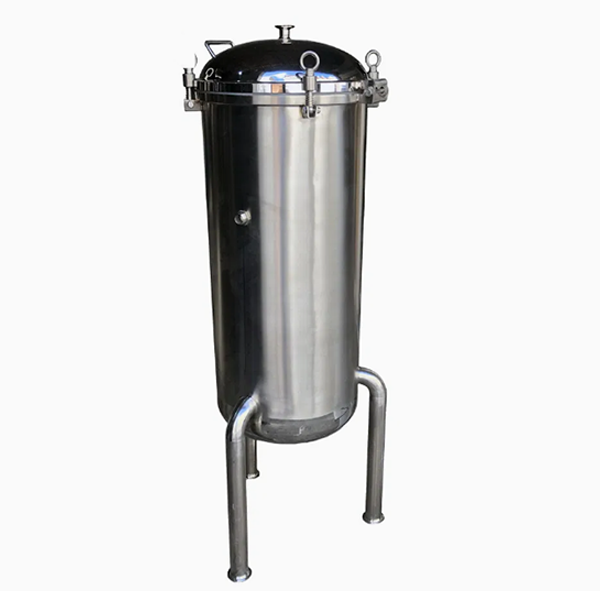
A stainless steel fermenter is a closed or semi-closed vessel designed to support controlled fermentation. It is typically used to grow microorganisms, convert raw materials, and create final products such as beer, wine, kombucha, yogurt, enzymes, amino acids, vaccines, organic acids, and bio-based chemicals. The fermenter provides an environment where temperature, pressure, agitation, oxygen transfer, sterility, pH, and nutrient supply can be managed with precision.
Stainless steel is the material of choice because it offers excellent corrosion resistance, smooth surface finish, structural strength, and compatibility with cleaning and sterilization systems. Compared with many alternative materials, stainless steel fermenter tanks are better suited for long-term industrial operation and repeated batch cycles. This directly supports production stability by reducing contamination risk, minimizing maintenance interruptions, and improving process repeatability.
Why Production Stability Matters in Fermentation
Production stability means that fermentation output remains consistent from batch to batch, with predictable product quality, reliable cycle times, and fewer process failures. In fermentation industries, instability can lead to contamination, off-flavor, yield loss, slow fermentation, inconsistent microbial activity, and costly downtime. Even small deviations in temperature, oxygen supply, or hygiene conditions can affect the final outcome.
A stable production environment is essential because fermentation is a biologically active process. Living organisms respond to changes in vessel design, material surface, heat transfer, mixing efficiency, and sanitation. A stainless steel fermenter helps control these variables more effectively than many other tank materials. As a result, producers can improve batch repeatability, reduce operational risk, and increase long-term efficiency.
How Stainless Steel Fermenter Improves Production Stability
The main reason a stainless steel fermenter improves production stability is its ability to provide a controlled, hygienic, and mechanically reliable environment. Below are the most important ways it supports stable production.
1. Excellent Hygiene and Sanitation
Hygiene is one of the most important factors in stable fermentation. Stainless steel has a smooth, non-porous surface that resists microbial buildup and makes cleaning easier. This reduces the chance of contamination between batches and helps maintain consistent fermentation conditions. Stainless steel fermenters are also compatible with CIP (Clean-in-Place) and SIP (Sterilize-in-Place) systems, which support automated sanitation and reduce human error.
Better sanitation directly improves production stability because contamination is one of the most common causes of batch failure. With a stainless steel fermenter, manufacturers can create a cleaner process environment, protect product quality, and minimize production interruptions caused by cleaning or rework.
2. Strong Corrosion Resistance
Fermentation media can be acidic, salty, nutrient-rich, or chemically active. Over time, these conditions may damage tanks made from lower-grade materials. Stainless steel provides strong corrosion resistance, especially in common grades used for food, beverage, and bioprocess applications. This durability helps preserve vessel integrity and keeps the process stable over long service periods.
When tank surfaces remain intact, there is less risk of leaks, surface contamination, material degradation, and unexpected shutdowns. Corrosion-resistant equipment also maintains product purity, which is critical for stable production and regulatory compliance.
3. Precise Temperature Control
Temperature is a critical parameter in fermentation. Microbial growth rate, enzyme activity, metabolism, and product formation all depend on a controlled thermal environment. Stainless steel fermenter systems are often designed with jackets, coils, or external heat exchange features that support accurate temperature control.
Because stainless steel transfers heat efficiently and can be integrated with modern control systems, operators can maintain optimal fermentation temperatures more consistently. Stable temperature control reduces variability across batches and helps avoid problems such as sluggish fermentation, overactive fermentation, or product degradation.
4. Improved Process Consistency
Production stability depends on repeatability. A stainless steel fermenter provides a standardized vessel environment that can be replicated across different batches and production cycles. Its structural rigidity, uniform surface finish, and compatibility with automation help manufacturers follow the same process parameters every time.
This consistency supports stable results in industries where even minor fluctuations can affect flavor, yield, purity, or biological activity. For example, beverage producers need uniform taste and carbonation levels, while biotech facilities require repeatable cell growth and product expression. Stainless steel fermenters help maintain these target outcomes.
5. Better Pressure and Structural Stability
Industrial fermentation often requires pressure control, especially in closed fermentation systems. Stainless steel fermenters are mechanically strong and capable of withstanding internal pressure, agitation forces, thermal cycling, and cleaning cycles. This structural stability is important for safe and continuous operation.
A rigid and durable tank reduces the risk of deformation or equipment failure. Stable vessel geometry also supports consistent mixing, oxygen transfer, and sensor performance. All of these factors contribute to a more reliable fermentation process.
6. Easier Automation and Instrument Integration
Modern production stability depends on data and control. Stainless steel fermenters can be equipped with sensors and automation systems for monitoring temperature, pH, dissolved oxygen, foam level, pressure, and agitation speed. Because the vessel is durable and standardized, it is easier to integrate these systems without compromising safety or cleanliness.
Automation reduces manual handling, improves process precision, and supports real-time adjustments. That means fewer operator errors, better process documentation, and more stable batch performance. In smart fermentation environments, stainless steel fermenters are ideal platforms for digital control.
7. Long Service Life and Lower Downtime
Production stability is not only about batch quality. It also depends on equipment availability. Stainless steel fermenters are known for their long service life and resistance to wear, which lowers the frequency of replacement and repair. Over time, this reduces unplanned shutdowns and helps maintain production schedules.
A longer-lasting fermenter means fewer interruptions for maintenance or vessel replacement. This supports smoother operations, stable output planning, and better return on investment. In high-volume facilities, equipment uptime is a major factor in production stability.
Key Advantages of Stainless Steel Fermenter Systems
The following table summarizes the most important advantages of stainless steel fermenters and how they support stable production.
Advantage |
How It Supports Production Stability |
Typical Industry Benefit |
|---|
Hygienic surface |
Reduces contamination risk and improves cleaning efficiency |
More consistent batch quality |
Corrosion resistance |
Protects vessel integrity under active fermentation conditions |
Fewer failures and leaks |
Temperature control compatibility |
Maintains optimal thermal conditions for microbial activity |
Stable fermentation performance |
Structural strength |
Handles pressure, agitation, and repeated use reliably |
Safer long-term operation |
Automation readiness |
Supports sensor integration and process control |
Lower operator error |
Long service life |
Reduces replacement frequency and downtime |
Stable production planning |
Common Applications of Stainless Steel Fermenters
Stainless steel fermenters are used in a wide range of industries because production stability is important in every controlled fermentation process. Common applications include:
- Brewing: beer, cider, and craft beverage fermentation
- Winemaking: controlled wine fermentation and maturation
- Dairy processing: yogurt, kefir, cultured milk, and probiotics
- Food fermentation: sauces, vinegar, enzymes, and functional foods
- Biotechnology: cell culture, microbial fermentation, and bioproduct synthesis
- Pharmaceutical production: active ingredient and biological processing
- Industrial fermentation: amino acids, organic acids, and bio-based compounds
In each of these sectors, a stainless steel fermenter improves process stability by creating a repeatable and sanitary operating environment. This is especially valuable in large-scale production where even minor variation can create significant financial loss.
Stainless Steel Fermenter vs. Other Tank Materials
When comparing fermenter materials, stainless steel is often preferred over plastic, glass, carbon steel, or coated tanks for industrial use. The table below shows a general comparison focused on production stability.
Material |
Hygiene |
Durability |
Corrosion Resistance |
Production Stability Impact |
|---|
Stainless steel |
Excellent |
Excellent |
Excellent |
High stability, low contamination risk |
Plastic |
Moderate |
Moderate |
Moderate to low |
Limited suitability for heavy industrial use |
Glass |
Good |
Low |
Good |
Fragile and less practical for large-scale production |
Carbon steel |
Moderate |
Good |
Low |
Higher risk of corrosion and contamination |
Coated tanks |
Variable |
Variable |
Variable |
Performance depends on coating condition |
Stainless steel stands out because it combines all the qualities needed for stable fermentation: cleanliness, strength, resistance to chemical attack, and support for precise process control. This is why it remains a core choice in industrial fermentation equipment.
Important Specifications of a Stainless Steel Fermenter
The exact specification of a stainless steel fermenter depends on the application, production scale, and product type. The table below provides a general reference for common technical specifications.
Specification |
Typical Range or Feature |
Purpose for Production Stability |
|---|
Material grade |
Common food and industrial grades of stainless steel |
Ensures corrosion resistance and sanitation |
Tank volume |
Small pilot scale to large industrial capacity |
Supports different production scales |
Surface finish |
Smooth internal polished surface |
Reduces residue buildup and contamination |
Temperature control |
Jacketed or coil-based heat exchange |
Maintains stable fermentation conditions |
Agitation system |
Optional, depending on fermentation type |
Improves mixing and nutrient distribution |
Pressure rating |
Atmospheric or pressure-capable designs |
Supports controlled closed fermentation |
Sensors |
pH, DO, temperature, foam, and pressure sensors |
Enables real-time monitoring and control |
Cleaning system |
CIP/SIP compatibility |
Improves sanitation and batch repeatability |
Manways and ports |
Access points for inspection and operation |
Supports maintenance and process flexibility |
How Surface Finish Affects Stability
Surface finish is an important but often overlooked feature in a stainless steel fermenter. A smoother internal surface reduces places where residue, microbes, and biofilm can accumulate. This makes cleaning more effective and lowers the chance of contamination from one batch to the next.
In fermentation production, even tiny residues can affect flavor, yield, or biological purity. By choosing a stainless steel fermenter with a proper polished finish, manufacturers can improve sanitation, reduce cleaning time, and enhance process stability across repeated production cycles.
How Design Features Support Stable Operation
The design of a stainless steel fermenter can have a direct effect on production performance. Below are several design elements that support stable operation.
- Conical bottom design: Helps with sediment removal and easier Harvesting
- Cooling jacket: Supports accurate temperature regulation
- Sampling port: Allows controlled product testing during fermentation
- Pressure relief valve: Improves operational safety
- Spray ball: Improves cleaning performance
- Level and foam sensors: Support process control and overflow prevention
- Agitator or mixer: Helps maintain homogeneous fermentation conditions when needed
A well-designed stainless steel fermenter does more than contain the process. It actively supports repeatable outcomes by helping operators manage all the variables that influence fermentation success.
Role of CIP and SIP in Production Stability
CIP and SIP are essential for sanitary fermentation. CIP stands for Clean-in-Place, and SIP stands for Sterilize-in-Place. These systems allow the fermenter to be cleaned and sterilized without disassembly, which saves time and improves consistency. Stainless steel is well suited to these processes because it can withstand hot water, steam, and cleaning chemicals.
Automated CIP/SIP procedures reduce variation caused by manual cleaning. This is extremely important in stable production environments, where every batch must meet the same quality standards. When sanitation is standardized, the risk of contamination decreases and process reliability improves.
Operational Benefits for Manufacturers
Choosing a stainless steel fermenter offers several practical benefits to manufacturers focused on stable production:
Operational Benefit |
Impact on Business |
|---|
Reduced contamination risk |
Less waste, fewer failed batches, better yield |
Repeatable fermentation control |
More consistent product quality |
Lower maintenance frequency |
Reduced downtime and repair costs |
Better heat management |
Improved process accuracy and shorter cycle variation |
Longer equipment lifespan |
Better capital investment efficiency |
Automation compatibility |
Improved monitoring, control, and reporting |
Factors to Consider When Selecting a Stainless Steel Fermenter
Selecting the right stainless steel fermenter is important for stable production. The ideal unit should match the product type, batch size, sanitation requirements, and control strategy. Consider the following factors:
- Required fermentation capacity
- Material grade and corrosion resistance
- Internal surface finish quality
- Temperature control method
- Need for agitation or aeration
- Pressure and safety requirements
- CIP/SIP compatibility
- Sensor and automation integration
- Ease of maintenance and access
These factors help determine whether a fermenter will support stable long-term operation. A tank that is well matched to the process is more likely to deliver consistent fermentation results and fewer operational issues.
Frequently Used Keywords in the Fermenter Industry
For SEO purposes, the following related terms are commonly associated with stainless steel fermenter content and fermentation equipment pages:
- stainless steel fermenter
- fermentation tank
- industrial fermenter
- stainless steel Fermentation vessel
- fermenter system
- fermentation production stability
- temperature control fermenter
- CIP fermenter
- SIP fermenter
- sanitary fermentation equipment
- batch consistency
- fermentation process control
- stainless steel tank for fermentation
- hygienic fermenter design
- corrosion-resistant fermenter
These keywords reflect the core topics searched by buyers, engineers, researchers, and production managers when comparing fermenter solutions and planning stable fermentation operations.
Conclusion
A stainless steel fermenter improves production stability by delivering a clean, durable, corrosion-resistant, and highly controllable environment for fermentation. It helps reduce contamination, maintain temperature accuracy, support automation, improve batch repeatability, and lower downtime. These advantages make stainless steel fermentation tanks a leading choice for industrial fermentation, food production, beverage processing, and biotechnological applications.
If your goal is consistent output, safer operations, and reliable long-term performance, a stainless steel fermenter is one of the most effective equipment choices available. Its combination of hygienic design, structural strength, and process compatibility makes it a key solution for stable fermentation production across many industries.
```
 +86 29-87031531





 Phone
Phone
Comment
(0)