 +86 29-87031531


Product Description
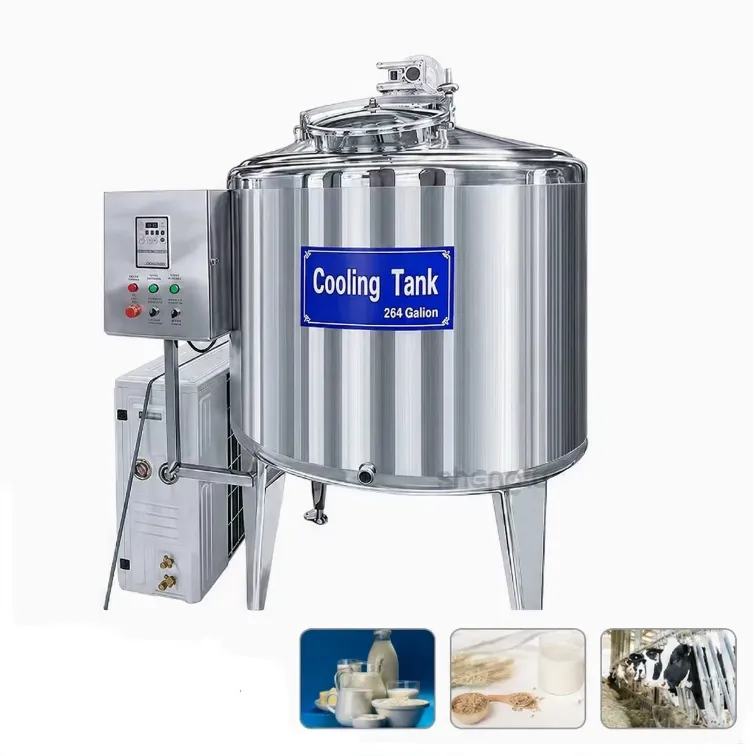
Industrial Advanced Cooling Tank with Energy-Saving Technology for Food Processing
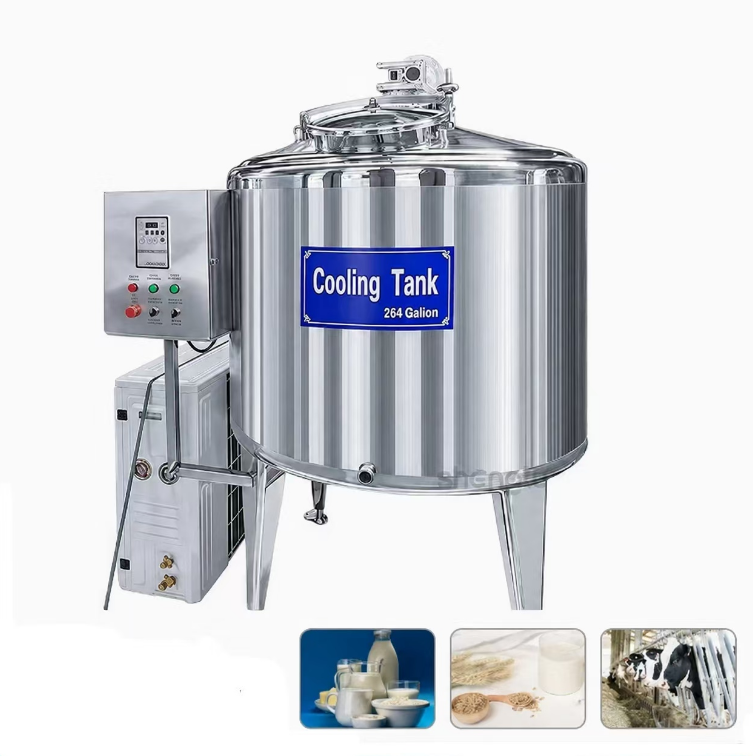
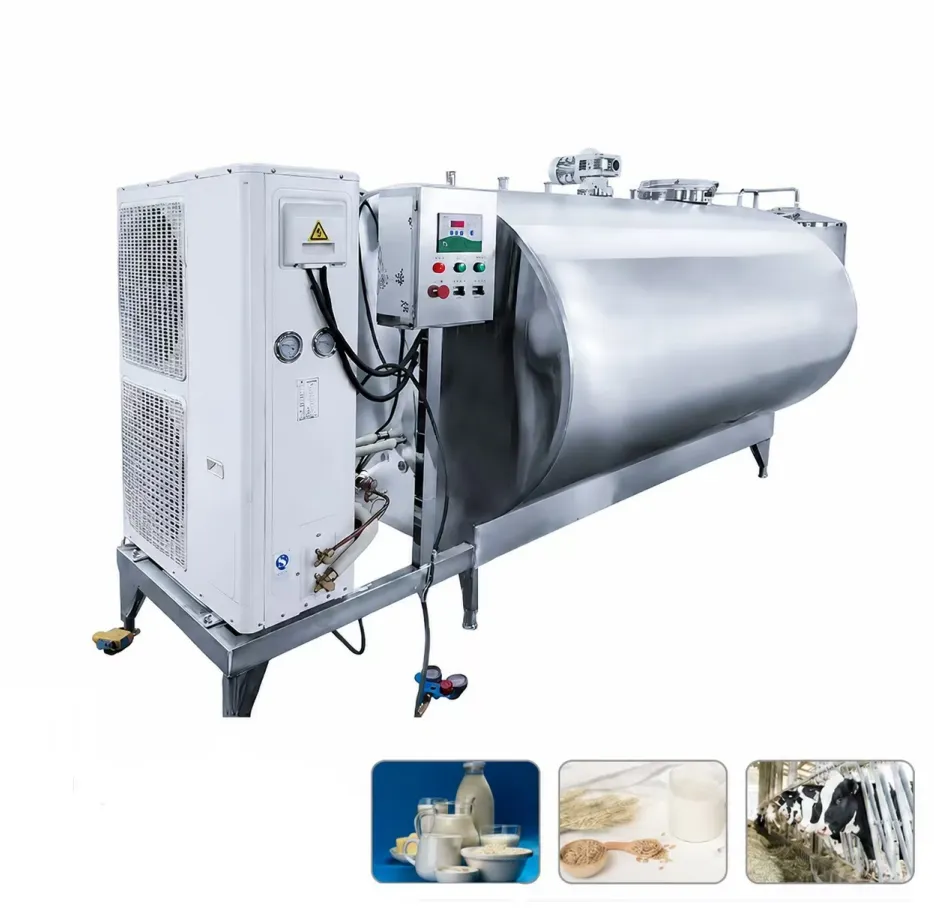
Stainless steel cooling tank is mainly used for cooling and storing fresh milk, and can also cool and store other liquid materials. Straight wall large area cooling, through the automatic control system, one-step observation of the operation, so that the cold raw milk quickly down to the required temperature ℃ and continue to maintain a constant temperature. Prevent bacteria from reproducing and keep the raw milk in A-grade milk state.
150L/200L | 500L | 1000L | |
Plate Thickness | Inner 2 middle 1 outer 1.2 | Inner 2 middle 1 outer 1.2 | Inner 2 middle 1 outer 1.2 |
Mounting Dimensions | 1550-800-1350 | 1800-1100-1650 | 1900-1200-1900 |
Tank Size | 650-50-2 | 1000-650-3 | 1200-900-3 |
Cooling Capacity | 5000Kcal/h | 6000Kcal/h | 6000Kcal/h |
Refrigeration Medium | R22 | R22 | R22 |
Insulation Performance | <1℃/3H | <1℃/3H | <1℃/3H |
Motor Power | 0.37KW | 0.75KW | 0.75KW |
Can be customized to your needs | |||
Application
Features
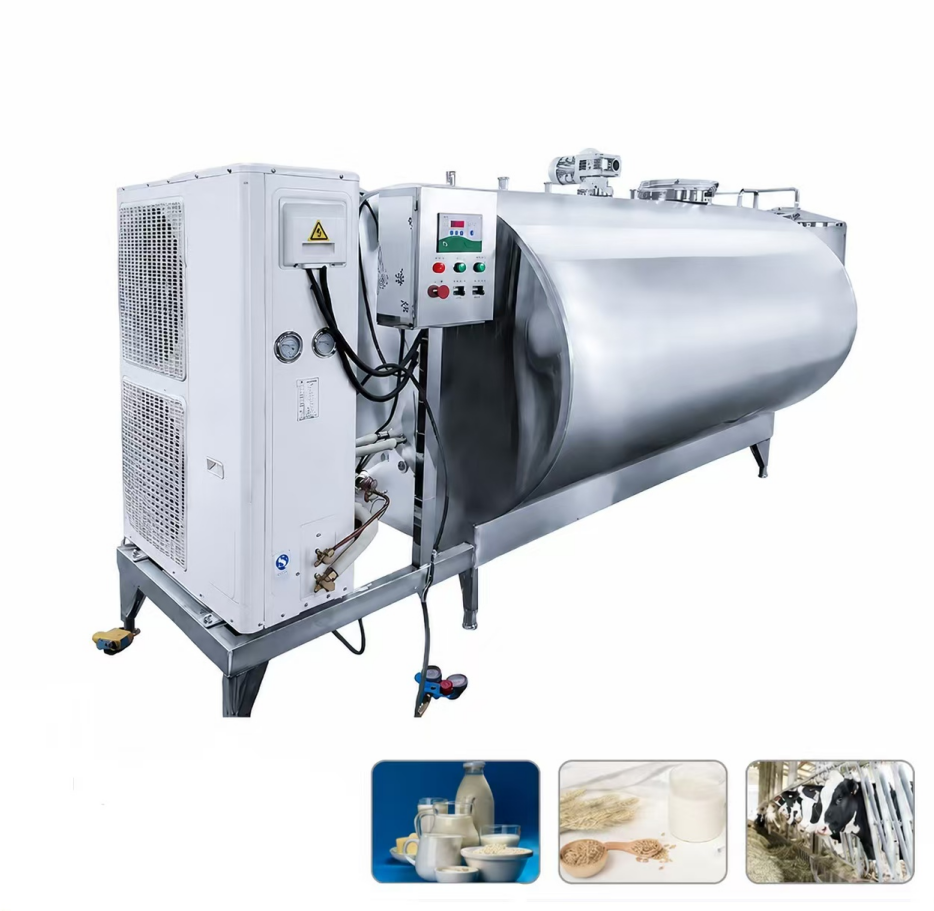
1. All tanks are made of SUS304 or 316 stainless steel, with automatic pressurized cleaning and manual and automatic stirring device, durable.
2. The wall of the tank adopts advanced plate evaporator to directly exchange heat with the milk for refrigeration.
3. Full-automatic microcomputer control system, one-step observation of the operation, so that the cold milk quickly down to the required temperature and continue to maintain a constant temperature.
4. The heat preservation layer adopts 60-80mm polyurethane foam new technology, with good adiabatic performance.
5. Adopting international standard fermentation technology, multiple methods of temperature control. Fully meet the needs of PLC and sterilization system
Intelligent Solutions
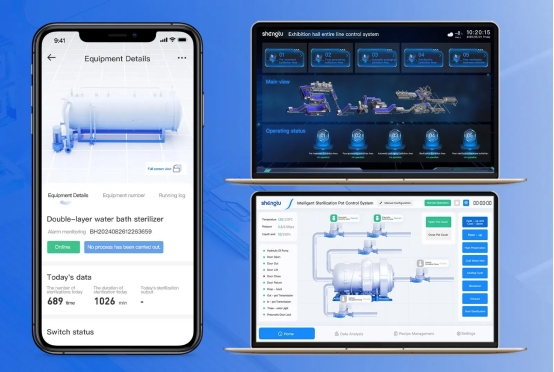
Proprietary Smart System: IoT Gateway + Cloud Management Platform (Shengtu Cloud)
Compatible with PLCs/Inverters/Instruments for seamless:
1.Real-time production data acquisition ;
2.Remote monitoring & equipment control ;
3.Failure alerts & predictive maintenance ;
4.Energy consumption optimization ;
5.Intelligent production process assistance ;
6.Multi-terminal management (APP/Web);
Product/Production Line Customization
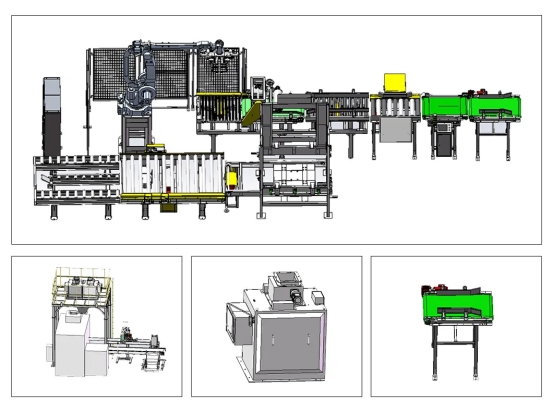
Full-line customization:
End-to-end solutions from demand analysis to delivery, covering entire food processing workflows (raw material handling → finished product packaging).
Scalable flexibility:
Supports pilot lines to 10,000-ton capacity production lines for meat/dairy/fruit & vegetable processing.
Sanitary Cold Water Storage Tank – Complete Industry Guide
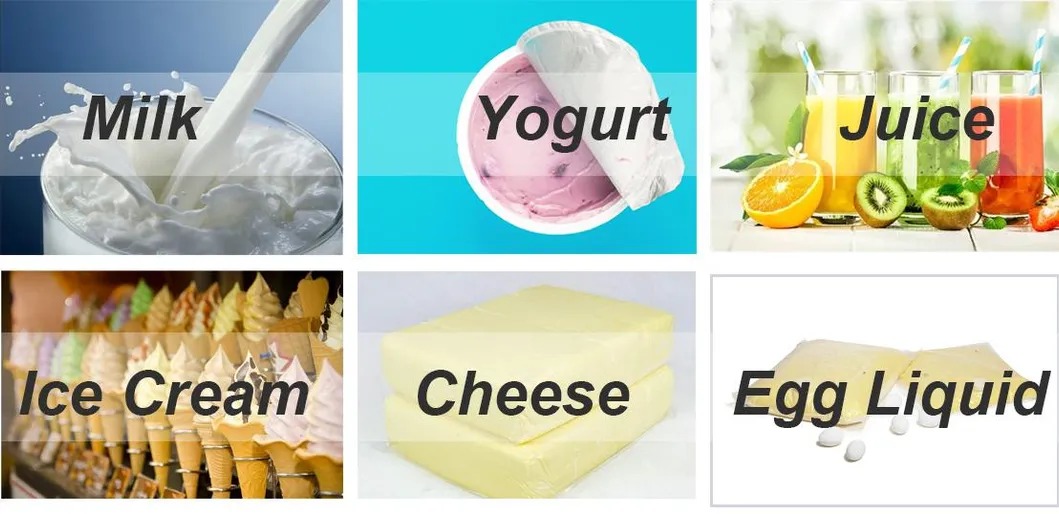
A Sanitary Cold Water Storage Tank is a specialized vessel designed to store liquid under hygienic and contamination-free conditions. These tanks are widely used in industries that require low temperture for storage and process ,such as ,milk,food,juice,dairy and beverage production, pharmaceuticals, healthcare, brewing, and chemical applications.
Constructed with food-grade or pharmaceutical-grade Stainless steel, these tanks ensure:
Corrosion resistance
Hygienic liquid storage
Long-term durability
Energy efficiency (when used with insulated or refrigerated designs)
Modern facilities rely on these tanks to ensure a consistent supply of clean, chilled, or ambient-temperature liquid, preventing bacterial growth and contamination. Properly designed sanitary cold water tanks are crucial for quality assurance and regulatory compliance in hygienic industries.

A sanitary cold water storage tank is a stainless steel vessel designed to store cold or chilled water for industrial or commercial purposes. Key features include:
Smooth, polished inner surface (Ra ≤ 0.4–0.8 µm) to prevent microbial growth
CIP (Clean-in-Place) compatible design
Hygienic inlet and outlet fittings
Optional insulation for temperature retention
Compliance with GMP, FDA, and ASME standards
These tanks are typically integrated into systems where water quality, temperature control, and hygiene are critical.
Fully drainable design prevents water stagnation
Mirror-polished inner surface reduces bacterial adhesion
CIP-compatible for automated cleaning cycles
Sanitary fittings and welds
Stainless steel (SS304, SS316L) offers corrosion resistance
Resistant to biofilm formation
Non-reactive with potable water
Long lifespan (15–30 years)
Vertical and horizontal designs available
Insulated or non-insulated configurations
Pressure or atmospheric operation
Modular and customizable sizes
Sanitary Cooling tanks operate by storing water at controlled low temperatures and providing it to downstream systems as required. Key operating steps include:
Water Inlet
Cold water enters via sanitary pipelines or chilled water loops.
Storage
Water is held inside the tank, optionally insulated to maintain low temperatures.
Distribution
Water is distributed to processing or service systems via sanitary piping.
Temperature Maintenance
Insulated tanks or refrigerated units maintain temperature stability.
Cleaning
CIP systems ensure tanks remain hygienic and free from microbial contamination.
| Material Grade | Properties | Application |
|---|---|---|
| SS304 | Standard food-grade stainless steel | General industrial and commercial applications |
| SS316L | Enhanced corrosion resistance | Pharmaceutical, chemical, and high-purity water systems |
| SS321 | High temperature & corrosion resistance | Specialized applications with thermal variation |
| Duplex Stainless Steel | High strength and corrosion resistance | Large-scale industrial storage tanks |
Resistant to oxidation and corrosion
Non-toxic and food-safe
Durable under mechanical stress
Easy to clean and maintain
Sanitary cold water tanks are engineered with several critical components:
Inner shell: Smooth stainless steel for hygiene
Outer shell: Protective layer or jacket
Insulation: PU foam, rock wool, or glass wool for thermal retention
Inlets & outlets: Hygienic, CIP-compatible valves
Manholes: For inspection and maintenance
Supports: Legs or skid base for stability
Saves floor space
Common in industrial plants
Capacities ranging from 500L to 50,000L
Easy maintenance
Stable and robust
Common in facilities with height restrictions
Retain cold temperature
Reduce energy loss
Often integrated with refrigeration units
Operate under controlled internal pressure
Enable rapid water distribution
Suitable for high-demand applications
Non-pressurized
Simple and cost-effective
Widely used in potable water storage
Prevents bacterial growth
Reduces contamination risk
CIP and SIP compatible
Stainless steel ensures long-term durability
Suitable for both potable and process water
Insulated tanks maintain stable low temperatures
Reduces energy consumption for cooling
High mechanical strength for large-volume storage
Resists deformation or leakage
Stainless steel is fully recyclable
Energy-efficient design reduces environmental footprint
Long service life minimizes material waste
Food processing plants
Breweries and beverage production
Pharmaceutical manufacturing
Cosmetic production facilities
Chemical processing plants
Hospitals and healthcare facilities
Hotels and resorts
Commercial kitchens
Laundries and sanitation services
Solar cold water systems
Central water storage for large buildings
Chilled water distribution systems
| Parameter | Specification Range |
|---|---|
| Capacity | 500L – 100,000L+ |
| Material | SS304 / SS316L |
| Temperature Range | 0°C – 25°C (cold water) |
| Insulation Thickness | 50mm – 150mm |
| Pressure Rating | 0–10 bar (customizable) |
| Surface Finish | Ra ≤ 0.4–0.8 µm |
| Tank Type | Vertical / Horizontal |
| Cooling Method | Natural / Refrigerated / Chilled water coil |
| Design Standard | ASME / PED / GMP compliant |
| Lifespan | 15–30 years |
Polyurethane (PU) foam
Rock wool
Glass wool
Vacuum insulated panels (VIP) for high-end applications
Minimizes heat ingress
Maintains low temperature
Reduces cooling energy cost
Supports industrial hygiene standards
Material Selection: Food-grade stainless steel sheets
Cutting & Rolling: Tank components are shaped and prepared
Sanitary Welding: TIG welding ensures smooth and hygienic joints
Polishing: Mirror finish for Ra ≤ 0.4 µm
Insulation Application: PU foam or rock wool insulation
Assembly: Fittings, valves, sensors installed
Pressure & Leak Testing: Ensures integrity under operating conditions
Final Inspection: Confirm compliance with hygiene and thermal standards
Flat, stable foundation
Adequate space for maintenance
Connection to cold water systems or chilled loops
Integration with temperature sensors and pressure relief devices
Follow local safety regulations
Inspect insulation and structural integrity
Check valves and fittings
Monitor temperature and pressure
Circulate cleaning agents
Rinse with potable water
Sterilization cycles
Prevent biofilm accumulation
Extends tank lifespan
Ensures continuous hygiene compliance
Reduces operational failures
High-density insulation
Integration with refrigeration loops
Smart temperature monitoring
Optimized water circulation systems
Heat recovery from industrial processes
GMP (Good Manufacturing Practices)
ASME Boiler & Pressure Vessel Code
PED (Pressure Equipment Directive)
ISO 9001 Quality Management
FDA-compliant materials
Sanitary cold water storage tanks are often integrated with:
Chillers and refrigeration units
CIP systems for hygiene
Water filtration systems
HVAC and chilled water distribution
Process water systems for food and pharmaceuticals
| Issue | Possible Cause | Solution |
|---|---|---|
| Temperature rise | Insulation failure | Replace or repair insulation |
| Water contamination | Improper cleaning | Implement CIP/SIP system |
| Pressure drop | Blocked valves | Clean or replace valves |
| Leakage | Weld or fitting failure | Repair or re-weld affected areas |
| Cooling inefficiency | Refrigeration system issue | Service or upgrade cooling system |
Future Trends
Smart IoT water monitoring
AI-assisted energy optimization
Modular tank systems
Advanced nano-insulation
Hybrid cooling and solar integration
Fully automated hygienic control
Q1: What is a sanitary cold water storage tank?
A: A stainless steel tank designed to store cold water hygienically, preventing bacterial growth and contamination.
Q2: What materials are used?
A: SS304 for standard applications, SS316L for high-purity and corrosive environments.
Q3: How long does it last?
A: Typically 15–30 years, depending on maintenance and usage.
Q4: Is insulation necessary?
A: Yes, to maintain low temperatures and reduce energy costs.
Q5: Can it be used in pharmaceutical applications?
A: Absolutely, with SS316L material and GMP compliance.
The Sanitary Cold Water Storage Tank is essential for any system requiring safe, hygienic, and temperature-stable water. With its stainless steel construction, corrosion resistance, and hygienic design, it ensures compliance with global standards and provides reliable performance across industrial, commercial, and residential applications
This website uses cookies to ensure you get the best experience on our website.





 Phone
Phone