 +86 29-87031531


Big Size Industrial Automatic Electric Vacuum Jacketed Boiling Kettle for Fruit, Grain
Basic Info.
Model No | ALT-CP1001 |
Mixer Type | Agitator |
Working High Speed Mixer | High Speed Mixer |
Cerrification | CE,ISO |
Layout Type | Verticle |
Operating Type | Cycle Operating |
Condition | New |
Application | Boiling |
Application Area | Food Process |
Mixing Drum Shape | Round |
Additional Capabilities | Mixing |
Product Name | Big Size Industrial Automatic Electric Vacuum Jacketed Kettle |
Material | Stainless steel 304,316L |
Color | Silver |
Heating Method | Gas /Electric /Steam |
Wight | About 800kg |
Packing | Standard Woodern Case |
Volume | 100-2000L |
Type | Automatic/Handle |
Voltage | 220v or as Customized |
Capacity | 60-605kg Per Batch |
Transport Package | Standard Woodern Case |
Specification | As customized |
Trademark | Aelt |
Origin | Yangling, China |
HS Code | 8419810000 |
Production Capacity | 300set/Year |
Product Description
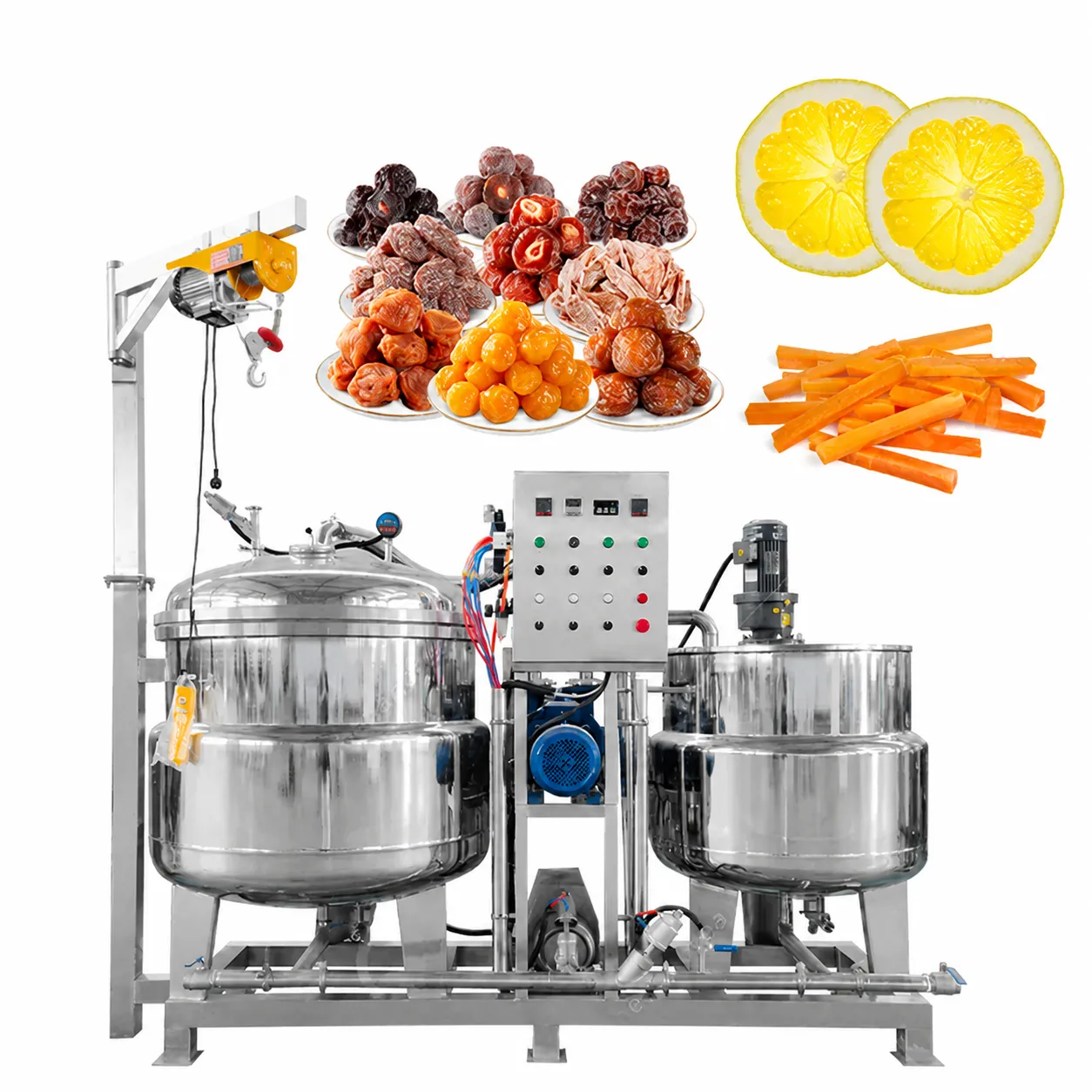
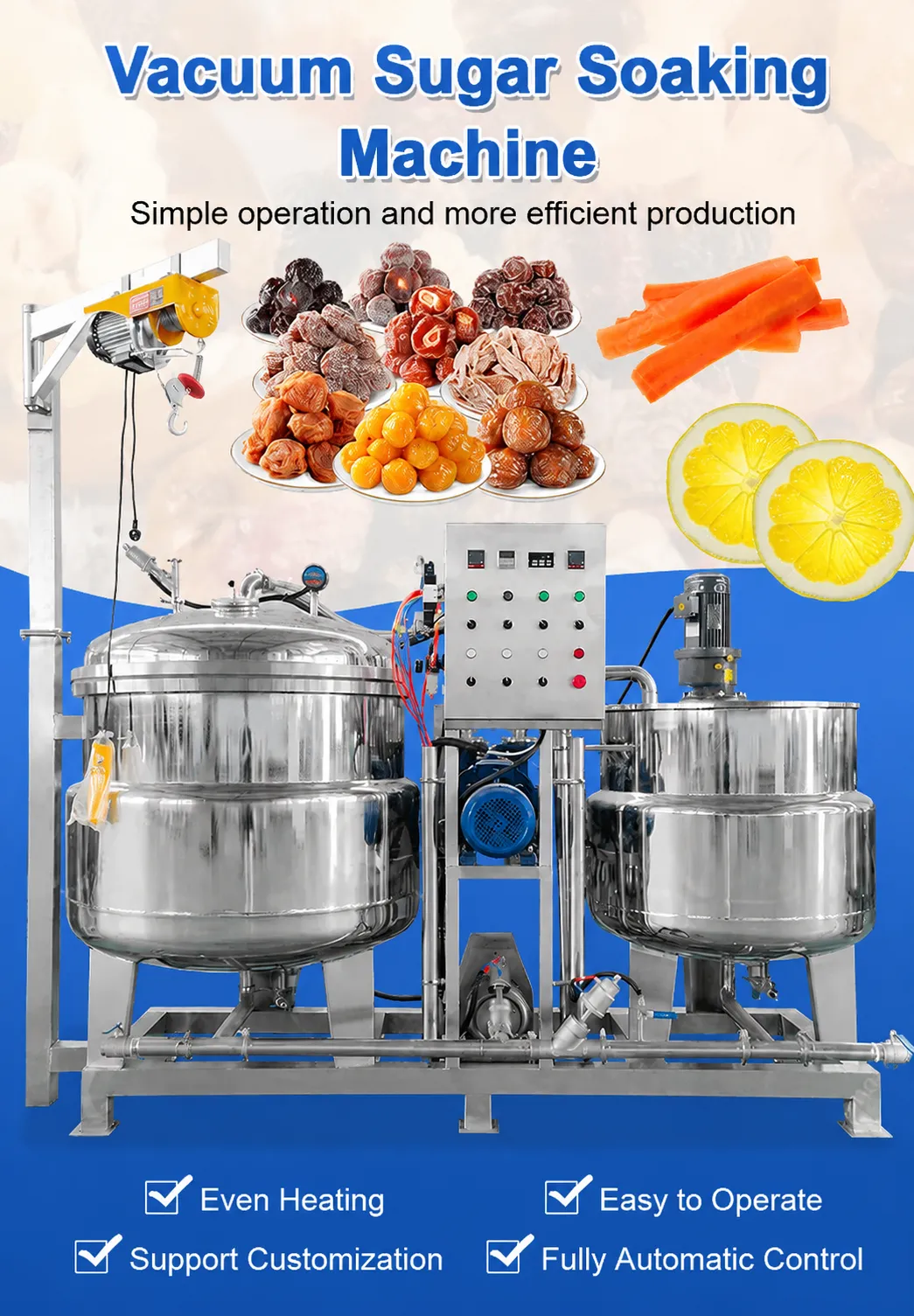
Soaking sugar vacuum pan income product color fresh, fruity,crystallization,
sugar, infiltration polysaccharide, block shaped, product rate is high,
is to replace the traditional extraction process of polysaccharide is the deal equipment.
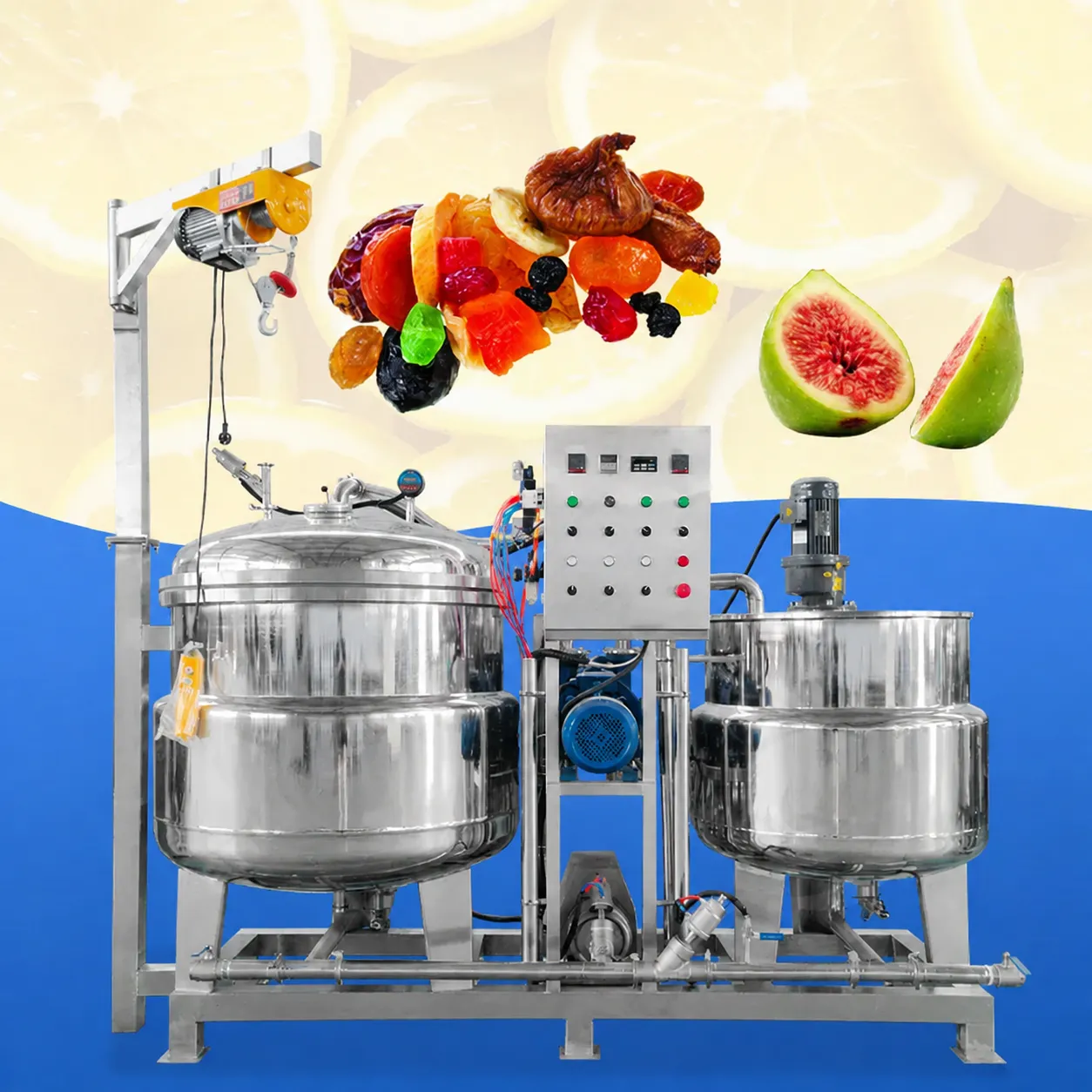
At the same time,the processing equipment can be applied to a variety of fruit products,
strong universality.
Product Name | Big Size Industrial Automatic Electric Vacuum Jacketed Kettle for Fruit,Grain | ||
Voltage | 220V,1PH,50Hz or as customized | Automation | Fully or handle |
Power | 1.5kw | Heating source | gas,electric,steam |
Capacity | 60-500kg per batch | Steel grade | Stainless steel304 |
Specifications
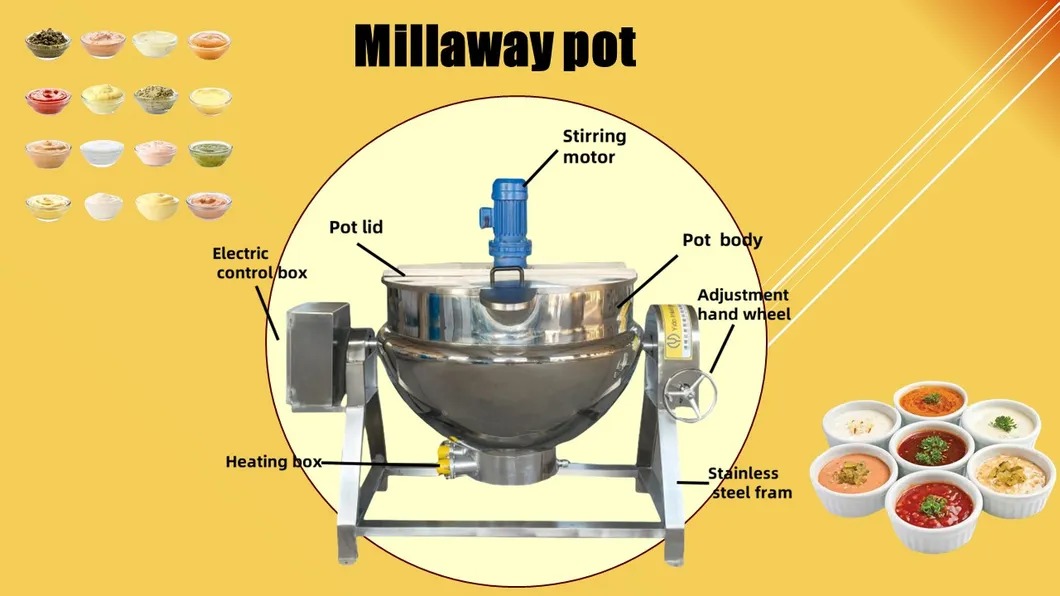
1.All stainless steel SUS304,durable and easy to clean.
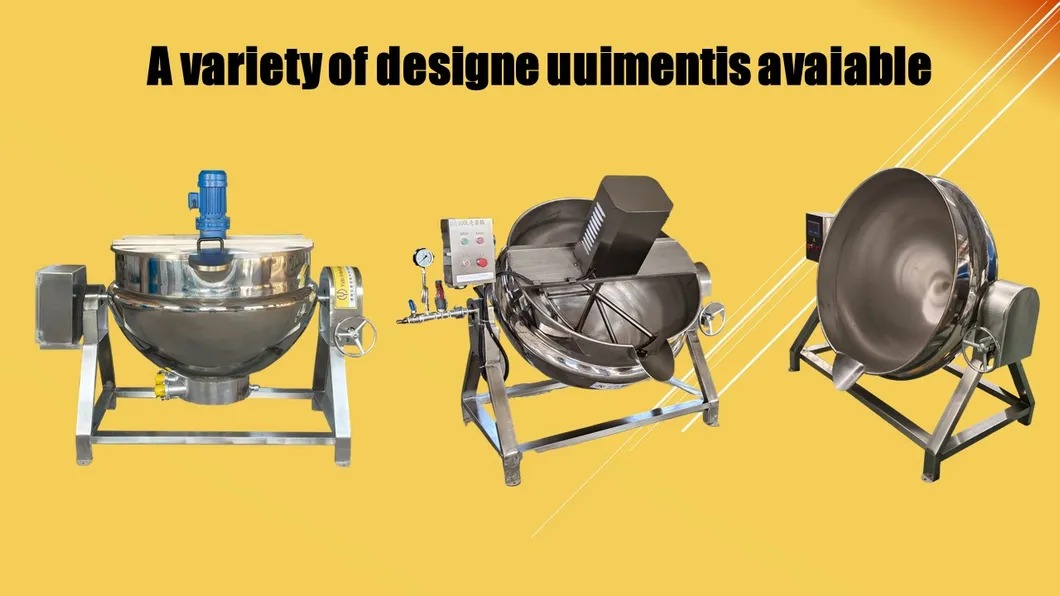
2.Various heating methods,gas electromagnetic ,steam, thermal oil.
3. Bowl titled to 360° hydraulically to allow easy discharge of materials.
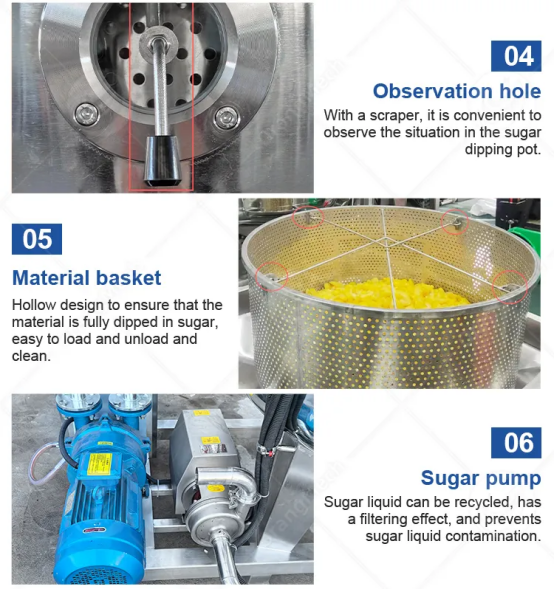
4 .Powerful water circulated vacuum pump to decrease processing time .
5.Kettle cover turning easily for opening and closing.
6.High Capacity: approx.600kg with one pot.
Automatic accessories
Safety relief valve will be relief the pressure automatically according to the set before,
ensure the nutrition of materials,ensure the safety.
Smart control panel
All of buttons in this panel ,easy for operation,save manpower and time ,no need for training.
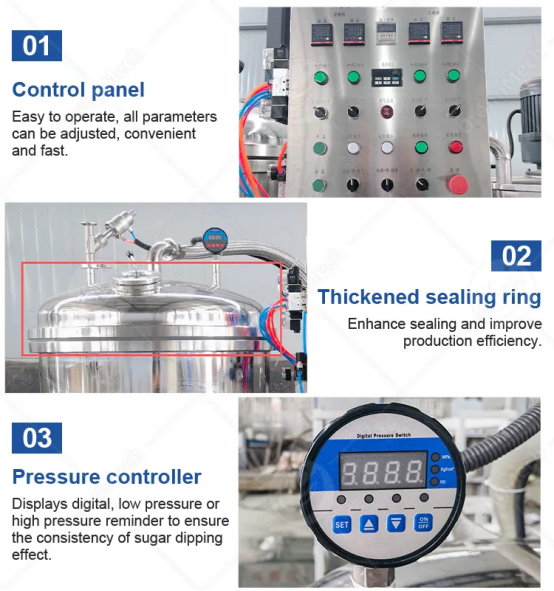
Inspection glass
Check the color of materials through this hole.
It is very convenient.

Temperature Control
That device is contact with materials directly ,control the temperature precisely.
Industrial Automatic Electric Vacuum Jacketed Cooking Kettle: Complete Industrial Guide (Definition, Working Principle, Applications, Advantages, Specifications & Market Trends)
1. Introduction to Vacuum Jacketed Cooking Kettle Industry
The Industrial Automatic Electric Vacuum Jacketed Cooking Kettle is an advanced thermal processing system widely used in modern food manufacturing, pharmaceutical preparation, chemical processing, and large-scale cooking applications.
With the increasing demand for energy-efficient, hygienic, automated, and high-precision cooking equipment, vacuum jacketed kettles have become a core solution in industrial kitchens and processing plants.
These systems are designed to provide:
Controlled vacuum cooking environment
Uniform heating through jacketed structure
Automatic temperature and pressure control
High-efficiency energy utilization
Hygienic Stainless steel processing
Industries that rely heavily on vacuum jacketed cooking kettles include:
Food processing factories
Sauce and condiment production plants
Dairy and confectionery industries
Pharmaceutical formulation plants
Ready-to-eat meal production systems
Central kitchens and catering industries
2. What Is an Industrial Automatic Electric Vacuum Jacketed Cooking Kettle?
An Industrial Automatic Electric Vacuum Jacketed Cooking Kettle is a closed or semi-closed stainless steel vessel designed for cooking, mixing, concentrating, or processing materials under vacuum conditions while being heated through an external jacket system powered by electricity.
Core Definition:
A vacuum jacketed cooking kettle is a thermally controlled stainless steel vessel that combines vacuum pressure technology with electric heating and jacketed thermal distribution for efficient and uniform cooking or processing.
3. Working Principle of Vacuum Jacketed Cooking Kettle
The operation of this equipment is based on three core technologies:
Vacuum environment control
Electric heating system
Jacket heat transfer system
Step-by-step process:
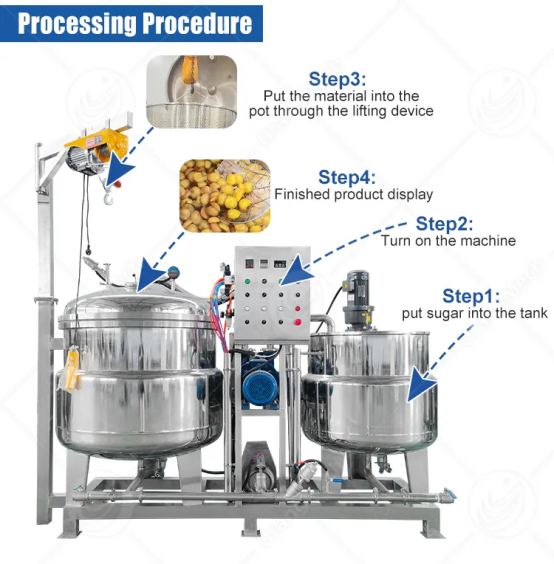
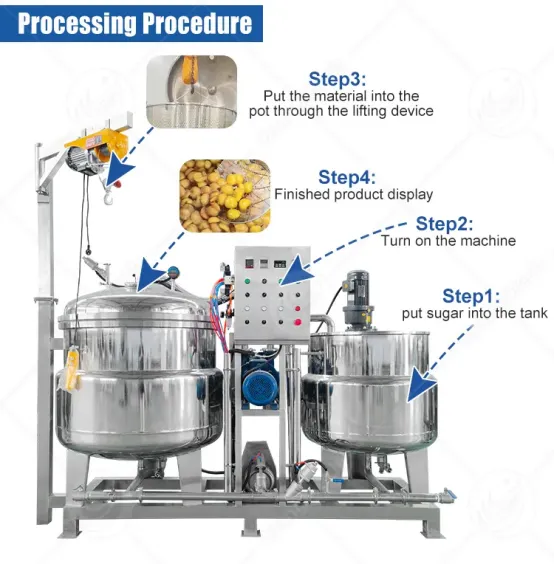
1. Material Loading
Raw materials such as liquids, sauces, pastes, or semi-solid mixtures are loaded into the kettle.
2. Vacuum Creation
The system removes air from the kettle, creating a low-pressure environment.
3. Heating Phase
Electric heating elements heat the jacket layer, transferring heat evenly to the inner vessel.
4. Cooking or Concentration Phase
Under vacuum conditions, the boiling point decreases, allowing gentle cooking at lower temperatures.
5. Mixing (Optional)
Agitators ensure uniform heat distribution and prevent material sticking.
6. Temperature and Pressure Control
Sensors continuously regulate vacuum pressure and temperature.
7. Discharge
Final processed material is discharged through sanitary valves.
4. Key Features of Industrial Vacuum Jacketed Cooking Kettle
Fully automatic electric heating system
Vacuum-controlled cooking environment
Stainless steel hygienic structure (SS304 / SS316)
Jacketed heating for uniform temperature distribution
PLC intelligent control system
Energy-efficient thermal design
Optional mixing and scraping system
High safety pressure control system
CIP cleaning compatibility
5. Advantages of Vacuum Cooking Technology
Vacuum cooking provides significant advantages over traditional atmospheric cooking.
Table 1: Key Advantages
Category
Advantage
Temperature Control | Low-temperature cooking preserves nutrients |
Flavor Preservation | Prevents oxidation and flavor loss |
Color Retention | Maintains natural food color |
Energy Efficiency | Reduced boiling point saves energy |
Product Quality | Improves texture and consistency |
Safety | Reduced thermal degradation risk |
Shelf Life | Enhances product stability |
Hygiene | Closed system reduces contamination |
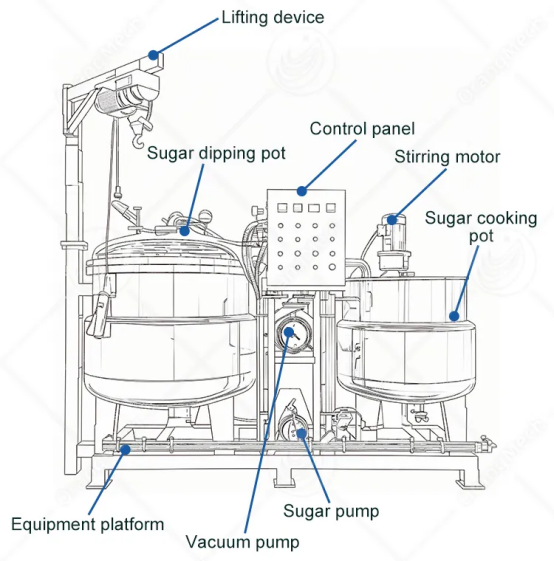
6. Structure of Vacuum Jacketed Cooking Kettle
A complete system includes multiple integrated components.
Table 2: Main Structural Components
Component
Function
Inner Cooking Vessel | Holds raw materials |
Outer Jacket Layer | Provides uniform heating |
Vacuum Pump System | Creates vacuum environment |
Electric Heating System | Supplies thermal energy |
Agitator System | Ensures mixing and uniform heating |
Control Panel | Manages automation and settings |
Pressure Sensor | Monitors vacuum level |
Temperature Sensor | Controls heating accuracy |
Discharge Valve | Releases processed material |
Insulation Layer | Reduces heat loss |
7. Electric Heating System
The electric heating system is the core energy source of the kettle.
Features:
Fast heating response
Precise temperature adjustment
Stable energy input
Clean energy operation
Heating Advantages:
No combustion emissions
Easy installation
Low maintenance requirements
8. Vacuum System Functionality
Vacuum technology is critical in modern cooking systems.
Functions:
Reduces boiling point of liquids
Prevents oxidation of ingredients
Enhances flavor preservation
Improves product quality
Vacuum Levels:
Mild vacuum (0 to -0.04 MPa)
Medium vacuum (-0.04 to -0.08 MPa)
High vacuum (-0.08 to -0.1 MPa)
9. Technical Specifications
Table 3: Industrial Vacuum Cooking Kettle Specifications
Parameter
Range
Capacity | 50 L – 10,000 L |
Heating Method | Electric / Steam / Thermal oil |
Vacuum Level | 0 to -0.1 MPa |
Temperature Range | 30°C – 200°C |
Material | SS304 / SS316 |
Control System | PLC / Touchscreen / Manual |
Mixing Speed | 0 – 150 RPM |
Jacket Pressure | 0.3 – 0.8 MPa |
Insulation | Polyurethane foam |
Cleaning System | CIP automatic system |
10. Industrial Applications
10.1 Food Processing Industry
Sauce cooking
Soup concentration
Jam production
Confectionery processing
10.2 Dairy Industry
Milk pasteurization
Cream processing
Yogurt base preparation
10.3 Beverage Industry
Syrup concentration
Flavor mixing
Beverage base preparation
10.4 Pharmaceutical Industry
Herbal extraction
Medicine formulation
Concentrated liquid production
10.5 Central Kitchen Systems
Large-scale cooking
Meal preparation
Catering production
11. Automation and Control System
Modern vacuum kettles use advanced automation systems.
Features:
PLC intelligent control
Touchscreen interface
Automatic temperature adjustment
Vacuum pressure monitoring
Alarm and safety shutdown system
Data recording and process tracking
12. Safety Control System
Table 4: Safety Features
Safety Feature
Function
Overpressure Valve | Prevents explosion risk |
Vacuum Protection System | Maintains safe vacuum levels |
Temperature Limiter | Prevents overheating |
Emergency Stop System | Instant shutdown capability |
Dry Heating Protection | Prevents empty heating damage |
Electrical Leakage Protection | Ensures operator safety |
13. Energy Efficiency Analysis
Vacuum jacketed kettles are highly energy-efficient due to:
Lower boiling temperature under vacuum
Reduced heat loss via insulation
Electric heating efficiency optimization
Controlled heating cycles
Energy Saving Benefits:
20%–40% lower energy consumption
Faster cooking cycles
Reduced thermal waste
14. Cleaning and Maintenance System (CIP)
CIP systems ensure hygienic operation.
Functions:
Internal tank cleaning
Sterilization cycles
Pipe cleaning
Chemical wash cycles
Benefits:
No disassembly required
Reduced labor cost
Improved hygiene standards
15. Installation Requirements
Proper installation ensures performance and safety.
Stable electrical supply
Water inlet and drainage system
Vacuum pump connection
Ventilation system
Grounding system
Adequate operation space
16. Operational Workflow
Step-by-step process:
Material loading
Vacuum activation
Heating initiation
Cooking process
Mixing (optional)
Temperature stabilization
Discharge process
Cleaning cycle
17. Common Operational Problems
Issue
Cause
Solution
Vacuum loss | Seal leakage | Replace gasket |
Heating delay | Electrical issue | Check heating elements |
Uneven cooking | Mixing failure | Repair agitator |
Overpressure alarm | Sensor malfunction | Reset or replace sensor |
18. Market Trends
The global vacuum cooking kettle market is expanding due to:
Growth in processed food industry
Increasing demand for ready-to-eat meals
Expansion of automated food production lines
Rising focus on food safety standards
Energy-efficient manufacturing requirements
19. Future Development Trends
Fully automated smart cooking systems
AI-based temperature control
IoT remote monitoring
Energy recycling heating systems
Modular scalable production kettles
20. Comparison with Traditional Cooking Equipment
Feature
Vacuum Jacketed Kettle
Traditional Cooker
Cooking Temperature | Lower | Higher |
Nutrient Retention | High | Medium |
Energy Efficiency | High | Low |
Automation | Advanced | Limited |
Hygiene | High | Medium |
Product Quality | Superior | Standard |
21. Environmental Benefits
Reduced energy consumption
Lower carbon emissions
Efficient resource utilization
Minimal food waste due to precision control
22. Industry Use Cases
Food Factories:
Sauce production lines
Jam manufacturing
Soup concentration systems
Pharmaceutical Plants:
Herbal extraction
Liquid medicine production
Beverage Industry:
Syrup and flavor processing
Central Kitchens:
Large-scale meal preparation
23. Conclusion
The Industrial Automatic Electric Vacuum Jacketed Cooking Kettle is a highly advanced industrial cooking system that integrates vacuum technology, electric heating, stainless steel hygiene, and automated control systems.
It provides significant advantages in terms of:
Energy efficiency
Product quality
Nutrient preservation
Automation capability
Industrial scalability
As global industries continue moving toward smart manufacturing and energy-efficient production systems, vacuum jacketed cooking kettles will play an increasingly important role in food processing, pharmaceutical production, and industrial cooking applications.
This website uses cookies to ensure you get the best experience on our website.



 Phone
Phone